Get Full Government Meeting Transcripts, Videos, & Alerts Forever!
Get email alerts on the Land Use Zoning topic
No spam. Unsubscribe anytime.
Committee backs changes easing commercial requirements in Central SoMa, sends amendments to full Board
Summary
The committee voted to amend and forward ordinances that reduce commercial development requirements in the Central SoMa area and remove a Transit Center commercial special use district; amendments aim to retain negotiated public benefits for key sites and allow flexibility for residential projects under defined conditions.
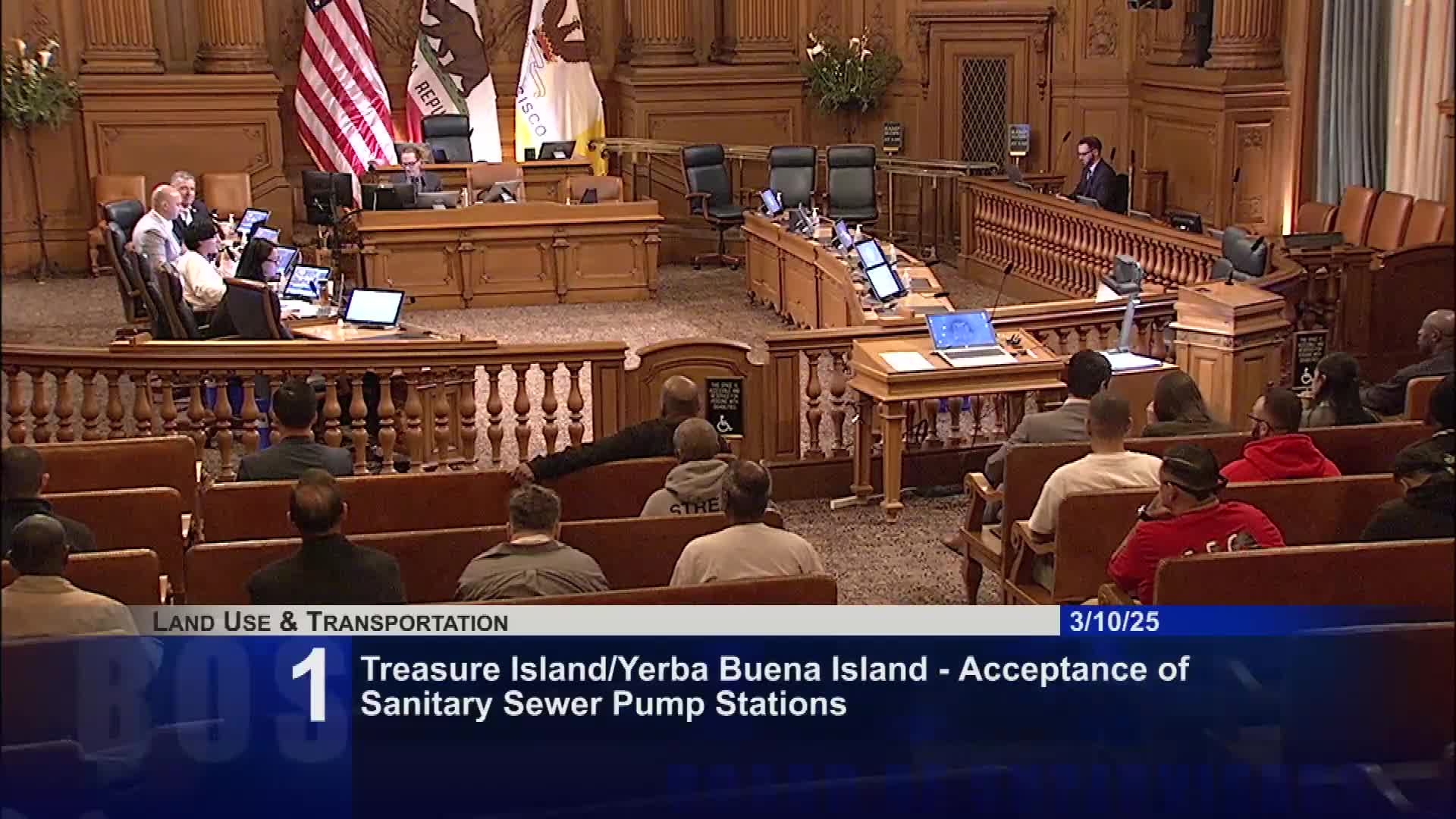
The Land Use and Transportation Committee voted March 10 to send two linked ordinances to the full Board of Supervisors with a positive recommendation, amending the general plan and the Planning Code to reduce commercial development requirements in Central SoMa and the Transit Center district.
Supervisor Matt Dorsey (District 6) framed the items as updates to the Central SoMa plan that would provide developers flexibility to build residential projects instead of requiring nonresidential floor area in all cases, while retaining negotiated public benefits for identified key sites. “We are first focusing the exemption from the two-thirds non-residential ratio to only residential projects under 600 feet through a residential density program,” Dorsey said.
The two proposed ordinances were presented together: one amends the general plan to reduce commercial development requirements in the Central SoMa and Transit Center district subarea plans; the other updates the Planning Code and zoning map to modify the Central SoMa Special Use District and remove the Transit Center C30SD Commercial Special Use District. Both include findings under CEQA and Planning Code section 101.1 and public-necessity findings under Planning Code sections 302 and 340.
Representatives of community groups urged the committee to preserve the public benefits negotiated for key sites. David Wu of SoMa Pilipinas told the committee the amendments “ensure that the needs of low income, working class, and immigrant residents and families reflected in land for 100% affordable housing, public open space, and other neighborhood amenities are being prioritized.” Zach Weisenberger of Young Community Developers said the changes safeguard previously awarded development rights for an identified key site and protect commitments to affordable housing.
Chair Supervisor Mirna Melgar moved to adopt the proposed amendments to the zoning map and the Planning Code and to forward the ordinances to the full Board with a positive recommendation. The clerk recorded aye votes from Vice Chair Cheyenne Chen, Member Mokwaen (as recorded), and Melgar; the motions passed.
The ordinances, as amended, will go to the Board of Supervisors for consideration on the Board’s March calendar.