Get Full Government Meeting Transcripts, Videos, & Alerts Forever!
Get email alerts on the Yemen Humanitarian Crisis Women topic
No spam. Unsubscribe anytime.
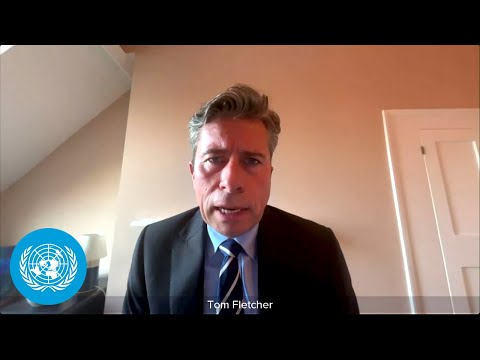
U.N. official warns funding cuts are worsening humanitarian crisis for women and girls in Yemen
Summary
A senior U.N. humanitarian official told the Security Council that steep funding cuts are forcing life-saving programs in Yemen to close, disproportionately harming women and girls, and urged member states to restore access, funding and pressure to free detained aid workers.
A senior United Nations humanitarian official told the Security Council that severe funding cuts have forced aid groups in Yemen to scale back services and risk deepening a crisis that is disproportionately harming women and girls.
The official told the council that “severe funding cuts have been a body blow to our work to save lives,” and said they had asked humanitarian coordinators “in Yemen and elsewhere to report by the end of next week on where we will need to cut back most dramatically and the implications of the tough choices we are making on which lives not to save.”
The official framed three requests to member states: “Firstly, please back our effort to get access to those civilians at greatest risk. Second, please ensure we have the funding to save as many lives as we can. And third, a request for your public and private pressure to release humanitarians who have been arbitrarily detained while working to deliver your instructions.”
The briefing stressed the particular toll on women and girls. The official said 9,600,000 women and girls in Yemen are in “severe need of life-saving humanitarian assistance,” and cited other figures including 1,300,000 pregnant women and new mothers who are malnourished, more than 6,000,000 women and girls facing heightened risk of abuse and exploitation, 1,500,000 girls out of school and that nearly one-third of girls in Yemen are married before 18.
“These are choices that we make when we cut funding,” the official said, describing consequences that include increased death, coercive coping mechanisms, human trafficking and child marriage. The official also highlighted local service providers who would be affected if funding dried up: “It includes a doctor in Aden, one of only two women fistula surgeons in the country performing 30 surgeries a month who received UN funded training,” a midwife who was the first to work in Hadramaut Governorate, and “the widowed mother in El Hodeida governorate who cares for her three children, one with a disability and one in need of ongoing medical treatment.”
The official said women lead half of the nongovernmental organizations on the humanitarian country team and that 40% of the Yemen Humanitarian Fund goes to women-led organizations, primarily local NGOs. Funding suspensions, the official said, “have already forced 22 safe spaces to close, denying services and support to over 11,000 women and girls in high risk areas.” Survivors of gender-based violence, the official added, “no longer have access to life-saving health care, psychosocial support, and legal aid,” and child-protection programs have been halted.
On a separate point, the official noted the recent U.S. designation of the Houthis as a foreign terrorist organization and said that from a humanitarian perspective “our job remains the same, to save lives.” The official warned that if access for either commercial or humanitarian channels were blocked, “it would have serious impact on communities already on the precipice of disaster. Women and children will, I am afraid, again bear the brunt.”
The official concluded that decisions by member states will shape whether conditions in Yemen improve or deteriorate and reiterated the request for members to restore access, funding and support for detained humanitarian workers.