Lifetime Citizen Portal Access — AI Briefings, Alerts & Unlimited Follows
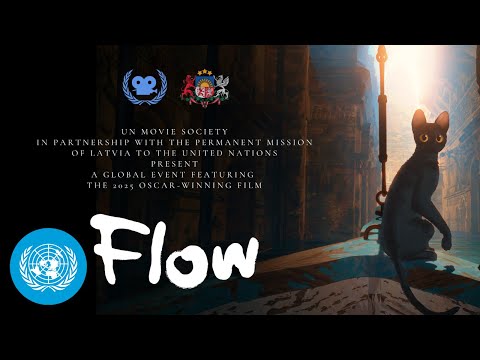
Latvian animated film Flow framed as a call for solidarity at United Nations event
Loading...
Summary
Speakers at a United Nations-hosted conversation presented Flow, a dialogue-free Latvian animated film, as a metaphor for calamity, cooperation and climate vulnerability; organizers announced a two-stage rollout including an online presentation and an in-person screening at UN headquarters on May 27.
A United Nations mission representative and organizers presented the Latvian animated film Flow as a meditation on calamity, cooperation and shared vulnerability during a conversation hosted for UN staff and affiliates.
The presentation, introduced by a representative of the Permanent Mission of Latvia to the United Nations and moderated by Brenda von Gova, president of the UN Movie Society, described the project as a two-stage effort: a global online event distributed through the UN Global Network followed by a full screening at UN headquarters on May 27. The mission representative said the film had earned major international recognition and framed it as a moment of pride for Latvia.
The film’s producer, Matisse Kaja, said Flow is a textless film that uses music and sound design in place of dialogue. "The flood in this film ... is more a metaphor for, first of all, sudden calamity and also the fear that this kind of brings forth," Kaja said, adding that the screenplay was written to reflect the subjective point of view of a central cat character and to prompt audience interpretation.
Brenda von Gova said the UN Movie Society partnered with the Permanent Mission of Latvia to present Flow because of its relevance to UN priorities. "We will explore the film’s connections to the UN values and how it’s relevant to the work we do," she said, citing links to the Sustainable Development Goals and humanitarian concerns.
Speakers described several creative choices meant to make the film universal: the film omits human characters, populating its world with animals; the architecture shown in the film combines visual elements from many cultures so the setting does not point to a single country; and the soundscape and music were developed early to guide the film’s emotional arc. Kaja said these choices were intended to let viewers “wander about the possibilities” rather than be presented with a single explanation.
Panelists highlighted climate and displacement themes. The mission representative and Kaja both noted that audiences have read the flooded landscape as resonant with climate-related disasters and displacement. Kaja also pointed out the film’s focus on animals left behind in calamity, saying viewers might consider how pets and wildlife are affected by storms and other disasters.
Organizers described Flow as a film that foregrounds cooperation and collective decision-making. Kaja said the story invites reflection on "when it makes sense to make decisions on your own, and when it makes sense to make decisions in a group," and emphasized that much of the film’s power comes from actions and emotions rather than words.
The event included a short conversation with the producer and teasers from the film. Organizers thanked UN Movie Society staff and the Permanent Mission of Latvia for coordinating the screening and promotion. The session concluded with a reminder of the announced online presentation and the planned full screening at UN headquarters on May 27.