Lifetime Citizen Portal Access — AI Briefings, Alerts & Unlimited Follows
El Paso Fire Department COMSAR briefs board on mountain rescues, issues 10‑item hiker checklist
Loading...
Summary
Members of the El Paso Fire Department presented the COMSAR combined search and rescue team’s capabilities and offered a 10‑item recommended kit and outreach plans to reduce rescue calls.
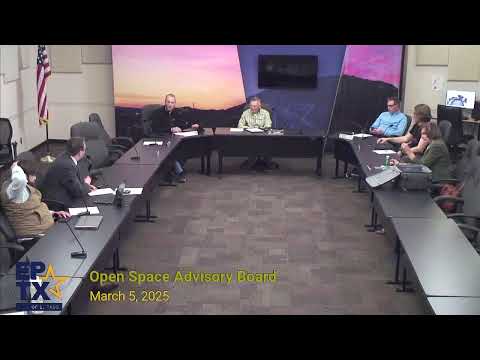
The El Paso Fire Department’s combined search and rescue team (COMSAR) presented an overview of its structure, capabilities and public‑facing safety guidance to the Open Space Advisory Board.
Chief Human (Special Operations) introduced COMSAR and said the unit handles wilderness, mountain and urban rescues, and follows the National Incident Management System (NIMS) for incident coordination. “The combined search and rescue unit is a critical part of the El Paso Fire Department,” the presentation said.
Captains in the unit described the team’s operational tasks—high‑angle rope rescues, swift‑water response, urban collapse, and on‑site emergency medical care—and urged hikers to carry a basic kit. The captains and chief offered a ten‑item checklist for hikers: water (roughly three liters), purification tablets, high‑energy nonperishable food, navigation tools (map/compass/GPS), first‑aid kit, multi‑tool, emergency shelter (space blanket), fire starter, sun protection and a flashlight/headlamp with spare batteries; item 10 was a signaling device such as a personal locator beacon, whistle or mirror.
Captain David Guzman emphasized practical tips: “If you run up to half of your water, start heading back,” and advised hikers to inform someone of their route and expected return time and to carry a charged phone. The presenters said the team has drones and GPS tools, sometimes works with helicopters and coordinates with El Paso Police, state parks and Border Patrol for mountain rescues.
Board members asked about trailhead signage, bilingual materials and public outreach. COMSAR said it could prepare printed and Spanish‑language materials for trailhead kiosks, and would coordinate with the city’s public information officers and parks staff on posting. The captains confirmed they can give presentations on request and sometimes staff public events like Fyre Fest. They also described local medical and environmental risks—heat‑related illness, rapid nighttime cooling, cactus injuries and infected puncture wounds—and recommended moleskin or an extra pair of socks to prevent blisters.
Ending: COMSAR offered a contact route through the Special Operations Division and agreed to work with the Parks Department and the city PIO to produce trailhead safety materials, including Spanish translations and suggested placement on kiosks.