Get Full Government Meeting Transcripts, Videos, & Alerts Forever!
Get email alerts on the Coral Restoration topic
No spam. Unsubscribe anytime.
Coral spawning lab presented as way to boost reef genetic diversity and thermal tolerance near Norwich
Summary
A presenter described limits of current coral cloning efforts and said a coral spawning laboratory could restore genetic diversity and help breed corals with greater thermal tolerance; funding, timeline and next steps were not specified.
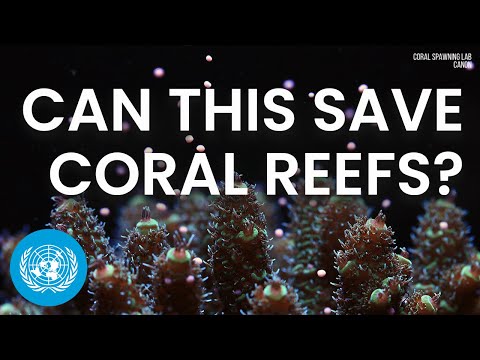
A staff member described coral breeding through a spawning laboratory as a tool to increase genetic diversity and thermal tolerance in corals near Norwich, saying current restoration methods rely on cloning and underwater nurseries.
The speaker said coral restoration today often uses fragments grown in underwater nurseries and replanted on reefs, but that approach limits genetic diversity. "So there's not a lot of genetic diversity in this," the staff member said, adding that a spawning lab would enable reproduction-based approaches that restore natural genetic variety.
The presenter outlined how spawning-based work differs from fragment cloning: "You can breed corals, and you can create some novel genotype. With the coral spawning lab technology, what you get is the natural, genetic diversity that you get on the reef anyway, and some of those could be targeted to increase that thermal tolerance or that disease resistance." The speaker said breeding could allow staff to "put your corals through a sort of test of their their vitality and see which ones actually show that slight increase in thermal tolerance and then breed from them."
The presentation opened with a broader description of ecosystem change: "Do you think a coral is an animal, a plant, a mineral, or a microbe? And the actual answer is it's all 4," the staff member said, later noting, "Many of the reefs have died. Many of the corals are no longer with us. So it's quite important that restoration and then conservation takes place." The speaker described current restoration practice as "cutting little pieces, growing them in underwater nurseries and planting them."
The staff member said spawning-based approaches introduce greater genetic variation because sexual reproduction produces many variants, some of which "may be individuals that are stronger and more resilient to climate change." The presenter concluded by linking scientific tools and global techniques to local impact: "If you start pulling all this really cool science together and all this really cool technology and tools made all around the world, then you really start to to find true solutions to to really making a big change in Norwich."
The speaker did not specify funding sources, an implementation timeline, regulatory approvals, or next steps for a spawning lab.