Lifetime Citizen Portal Access — AI Briefings, Alerts & Unlimited Follows
WMATA reports ridership gains and revenue uptick but warns of looming FY2029 capital cliff
Loading...
Summary
WMATA told the D.C. Council's Committee on Transportation and the Environment that ridership and revenue are improving after the pandemic, but the authority is still facing a major capital funding “cliff” in FY2029 and needs planning and efficiencies now to avoid deep cuts later.
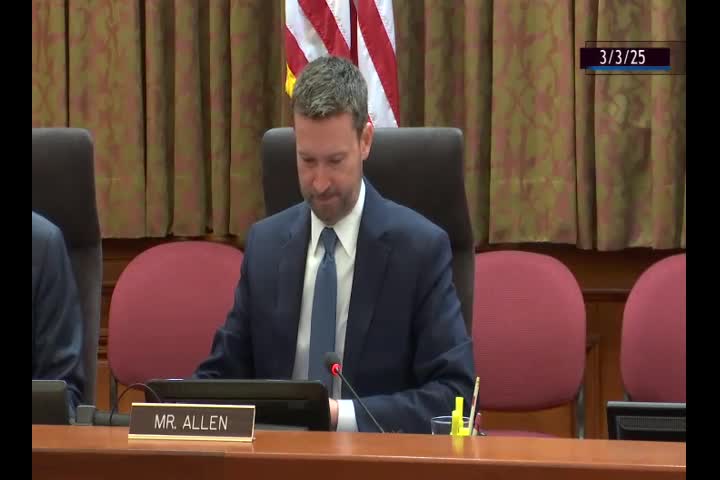
General Manager and CEO Randy Clark told the Council—s Committee on Transportation and the Environment on March 3 that Washington Metropolitan Area Transit Authority (WMATA) is seeing multi-month ridership growth and stronger revenue, but warned the agency faces a near-term capital funding crisis that requires planning now.
Clark said WMATA—s rail and bus ridership has increased for 47 straight months and that recent peak-day federal tap counts were the highest in five years. "We're feeling really good across the board on everything from safety to security to ridership to revenue," Clark said during the committee's annual performance oversight hearing.
The committee heard that a midyear uptick in fare and other revenue is allowing WMATA to reduce the amount of capital funds used to cover operating costs for FY2026, returning roughly $45 million to the capital program across FY2026–FY2027. Clark cautioned this does not eliminate a major capital shortfall expected in FY2029 and urged jurisdictions and WMATA to begin long-range capital planning immediately.
"We are going to definitely experience a major capital cliff come FY 'twenty 9," Clark said. He said every incremental million saved or returned to capital helps extend the life of the capital program and reduce pressure on future jurisdictional subsidy requests.
Why this matters: WMATA's rail system (98 stations, 128 miles) and a 1,500-bus service footprint serve roughly 4 million people in the region. Capital needs include vehicle recapitalization and system modernization; failing to address them now would force deeper cuts or service disruptions later.
Details and context
- Ridership and revenue: Clark testified that Metro has seen accelerated ridership since October 2024 and that recent daily "taps" by federal employees were the highest in five years. He told the committee that updated FY2026 revenue estimates increased projected revenue by about $20 million compared with earlier projections, and that amount contributes to the roughly $45 million being returned to capital over two years.
- Safety and efficiency: Clark said WMATA has driven improvements in safety and identified roughly $500 million in savings through cost-efficiency measures over recent years, which he said reduce jurisdictional investment needs and free capital for asset renewal.
- Planning urgency: Members of the committee and WMATA staff emphasized the need for coordinated, multiyear planning because capital investments (vehicles, track work, stations) have long lead times and rising construction costs.
What WMATA told the committee
- Clark: "When ridership goes up, revenue generally goes up... Every million dollars that we can save is a big deal, and we can put it back into recapitalizing the program." He urged earlier planning to blunt the FY2029 cliff.
- Finance and oversight: WMATA—s CFO presented a two-year business plan at the Metro Board indicating improved revenue assumptions for FY2026–FY2027; the general manager said the board will consider the FY2026 budget in April.
Ending
WMATA offered cautious optimism about ridership and revenue gains but warned that a structural capital shortfall remains. The authority asked jurisdictions and stakeholders to sustain collaboration on long-range planning and to preserve capital funds so the system does not trade immediate operating relief for deeper future capital gaps.