Lifetime Citizen Portal Access — AI Briefings, Alerts & Unlimited Follows
UN briefing warns elections timeline at risk; Special Criminal Court faces funding shortfall
Loading...
Summary
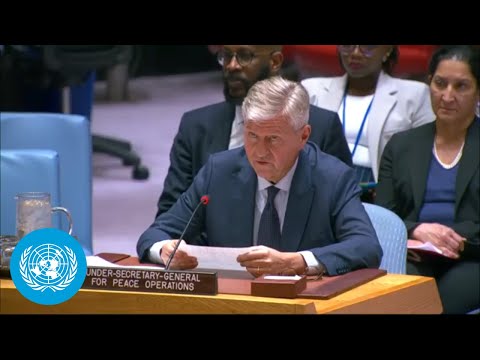
Jean Pierre Lacroix told the Security Council that local elections remain delayed because of technical and financial problems, the definitive voter list publication is pending, and the Special Criminal Court risks running out of funds by September without voluntary contributions.
Jean Pierre Lacroix told the United Nations Security Council that the Central African Republic is preparing for local, presidential and legislative elections, but that delays in publishing a definitive electoral list and technical and financial challenges continue to obstruct the timeline for local elections scheduled for Aug. 31.
Lacroix said the definitive electoral list, initially scheduled for publication on May 29, remained pending because of technical difficulties, and he urged the government and the national elections authority to continue coordinating closely with the United Nations to resolve delays. He described elections as a constitutional requirement and a critical opportunity to promote democratic governance and national reconciliation.
The briefing referenced a 2019 Political Agreement for Peace and Reconciliation as a framework in which local elections are a key component, and it noted a 19 April agreement between the government and leaders of the 3R and UPC armed groups aimed at ending hostilities and reintegrating fighters, with facilitation by Chadian authorities.
Lacroix also told the council that the Special Criminal Court (SCC), which has rendered verdicts in cases related to clashes dating to March 2020, is entering a critical phase and faces a risk to its activities by September due to a lack of voluntary funding. He urged member states to provide financial and human resources so the court can deliver on its mandate through 2028.
On humanitarian and development fronts, Lacroix said the government is preparing a fundraising roundtable on its national development plan in Morocco in the coming months and that MINUSCA is strengthening procurement and private‑sector engagement to support local markets and job creation. He emphasized that lifesaving humanitarian assistance remains urgently needed as needs exceed available resources.