Get email alerts on the Seasonal Farmworker Housing topic
No spam. Unsubscribe anytime.
Pitkin County planning commission backs modest code changes to ease seasonal farmworker housing
Summary
The Pitkin County Planning and Zoning Commission voted to recommend a text amendment to the county land-use code that would make it easier for farmers to use temporary, self-contained housing (including RVs) for agricultural laborers by allowing limited on-site winter storage and an additional permit for year-round operations.
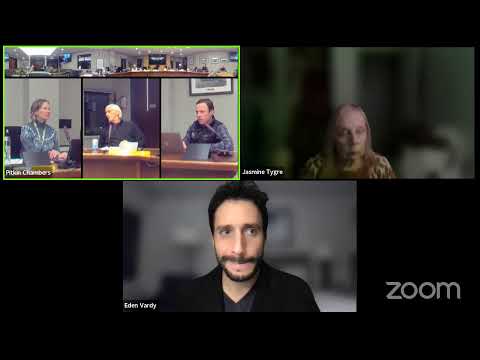
The Pitkin County Planning and Zoning Commission voted to recommend approval of a text amendment to the county land-use code to expand allowances for seasonal farmworker housing, commissioners said during a regularly scheduled meeting.
The amendment would keep the provision's temporary-use framing but would allow two changes: permit holders could keep a seasonal housing unit on-site during the off-season if the unit is shut down rather than moved off-site, and an operator who demonstrates a year-round agricultural operation could apply for a second permit to cover the three months currently excluded from the seasonal permit. Existing safeguards in the code would remain in place, including a minimum-site-size requirement, NFPA fire-standards for recreational vehicles, and a requirement that units be self-contained (no connections to on-site septic or water systems).
Commissioner Suzanne Kasky introduced the item and outlined the provision's history, noting the seasonal housing allowance was added to the land-use code in 2020 but has been used only “on a somewhat limited basis.” Paul Holzinger of OpenSpace and staff member Evan Lombardi participated in the discussion by phone. Devon, who presented on behalf of farming interests, said the change is intended to make the rule more usable for local producers while keeping it temporary. “I don't anticipate seeing many more applications,” Devon said; “maybe we'll go up to 3 or 4 a year.”
Commissioners discussed the code's zone-district coverage (including AR-2, tourist, and BLP designations) and confirmed that the current provision already restricts units to agricultural laborers and forbids using the allowance as short-term rentals. Commissioners noted the code currently authorizes permits from March through November and requires units to be moved off-site during the winter; the proposed amendment would remove the off-site movement requirement if the unit is shut down and would allow a separate permit to extend occupancy when a farm demonstrates year-round operations.
Members also reviewed community input: the Woody Creek caucus submitted a letter raising concerns (including setbacks and definitions of "food production"); hearing packets included that letter, and staff said many of the issues raised are already addressed by the existing code language. Upper Snowmass Creek caucus signaled support for the change; the Amica caucus, which raised concerns when the provision was first adopted, did not provide new comments for this effort.
Motion and next steps: Commissioner Jasmine Kynthia moved to approve the text amendment as presented; Susan seconded. The commission approved the recommendation by voice vote and will forward the amendment to the Board of County Commissioners for further consideration. Jeffrey Woodruff was recorded as sitting out of this item; commissioners indicated a quorum remained for action.
Other meeting notes: commissioners and staff discussed activity at Cozy Point and site work related to the farm collaborative's new education building; those operational items were discussed for informational purposes and were not part of the land-use action. A separate item, the county's night-sky ordinance, was mentioned as scheduled for the board's first reading on the 18th.
AI generated
The text on this page is AI generated. Summaries, highlights, analysis, and video transcripts are all produced from the original source material.
AI can make mistakes, so if you spot one, and we will fix it for everyone.
Note: the source content is unaltered by us. Any content source we link to, be it a video, an audio recording, or a document, is presented exactly as its publisher released it. That publisher is usually a government body, sometimes an individual official or another organisation.