Get Full Government Meeting Transcripts, Videos, & Alerts Forever!
Get email alerts on the Capital Bond topic
No spam. Unsubscribe anytime.
Bond survey shows split views; district to use input for future planning
Summary
A district survey on a proposed bond generated mixed results: pockets of support, concerns about cost, and varied priorities across precincts. District leaders said they will use the input for future bond planning and stakeholder engagement.
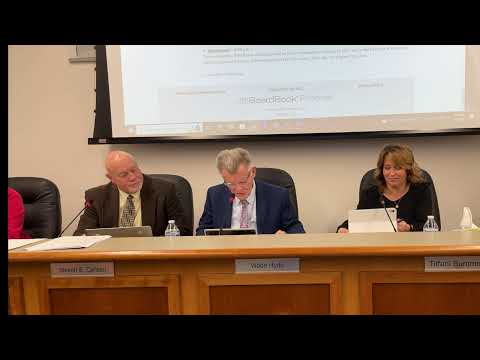
District officials presented results from a public survey about a previously proposed bond package and said the responses will inform future planning.
The online, public survey collected more than 3,000 responses across precincts; staff emphasized that responders could be parents, employees or Box Elder County residents. Heidi Jo and Keith presented the findings: 38% of respondents in the sample said they voted yes on the bond and 32% of all respondents said yes on the bond in the countywide cross-tab; 37% of respondents said a proposed tax increase was manageable, while other cited reasons for voting no included the overall sticker price and economic conditions.
When asked which priorities respondents supported, 68% cited solutions for elementary overcrowding as a reason to support the bond, 64% cited concerns about middle-school unreinforced masonry and 67% supported adding air-conditioning to all schools. The survey showed many neutral responses on grade-band reconfiguration and middle/high school footprint questions; the district said neutral responses may indicate respondents felt the item did not apply to them or they wanted more information.
The survey also asked respondents to rank possible short-term solutions for overcrowding. Reopening Foothill Elementary topped the list; additional portables and boundary realignment were other commonly selected options. The district said precinct-by-precinct results showed lower bond support in some outlying areas and recommended more targeted community outreach in those precincts.
Why it matters: Survey responses will shape future bond strategy, timeline, stakeholder engagement and what issues the district emphasizes in outreach materials.
Quotes: “We had 38% said that they voted yes, which Yes,” said a district presenter summarizing the sample; the presenter added that “37% felt like the tax increase that was proposed was manageable.”
Next steps: District leaders said they will use the survey as a historical record and a starting point for stakeholder conversations and that they will produce more detailed materials, precinct-level reports and public outreach ahead of any future bond effort.
Ending: The district framed the survey as a tool to refine plans and outreach and said it will continue stakeholder engagement prior to future bond decisions.