Get AI Briefings, Transcripts & Alerts on Local & National Government Meetings — Forever.
Supreme Court of Texas Considers Whether ‘Certificate of Merit’ Defect Requires New Suit or May Be Cured by Amended Petition
Loading...
Summary
The Supreme Court of Texas heard argument in Studio e Architecture v. Lindbergh over whether a dismissal without prejudice for failing to attach a required certificate of merit can be cured by filing an amended petition that attaches the certificate or whether the plaintiff must start a new lawsuit.
The Supreme Court of Texas heard argument in Studio e Architecture v. Lindbergh over whether a dismissal without prejudice under Section 150.002 for a missing certificate of merit must be cured by filing a new lawsuit attaching the certificate or may be cured by amending the original pleading to add the certificate.
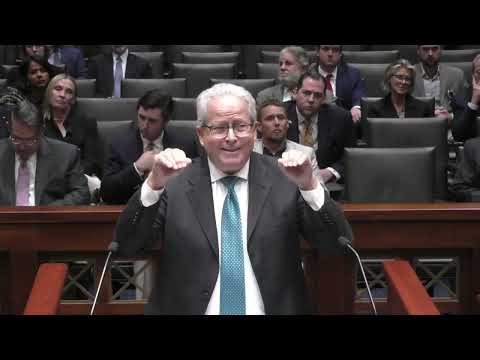
Mister Alexander, counsel for the petitioner, told the court, “This case presents a straightforward legal question” about whether the defect can be cured by amendment or requires a new action. He said the petitioner’s position is that a dismissal without prejudice returns the parties to the pre-suit status quo and, under controlling precedent, a plaintiff seeking to reinstate claims must file a new cause and then seek consolidation rather than simply filing an amended petition. “Our position is that they don't get the benefit of relation back,” Alexander said, arguing that allowing amendment would improperly sidestep statutes of limitation and disrupt the settled practice the court and courts of appeals have applied after dismissals.
Miss McFarland, counsel for the respondent, countered that Section 150.002’s dismissal remedy is intended to deter meritless professional-liability claims while still giving bona fide claimants a second opportunity to comply. “A section 150.002 dismissal is a sanction to deter meritless claims and bring them quickly to an end, but it is not a death penalty sanction,” she told the court. McFarland said trial courts have discretion under subsection (e) to dismiss with or without prejudice and that, where a dismissal is without prejudice, allowing a subsequent amended petition to operate as the operative complaint well serves the statute’s remedial purpose and judicial economy.
Throughout argument, justices pressed both sides on several recurring issues: (1) whether permitting amendment after a dismissal without prejudice would amount to relation back or tolling that the statute’s subsection (g) prohibits; (2) whether a defendant’s delay in moving to dismiss can and should be treated as waiver; (3) how the civil rules on amendment and consolidation (for example, Texas Rules of Civil Procedure regarding amendment and consolidation) fit with the statutory text that references a complaint filed with an affidavit from a licensed professional; and (4) the practical differences between single- and multi-defendant cases if the court adopts either side’s rule.
Petitioner cited this court’s precedents and several court of appeals decisions that, in the petitioner’s view, treat a dismissal without prejudice as a return to the pre-suit state that requires filing a new action to reinstitute claims. Respondent relied on appellate rulings that have allowed amended pleadings to serve as the operative complaint after a dismissal without prejudice and emphasized legislative intent to permit a second chance to comply with the certificate requirement.
Counsel and the court also discussed waiver doctrine as applied in Crosstex and LaLonde and related decisions (cited in argument) where the degree of a defendant’s participation in litigation determined whether the defendant had waived the certificate requirement. Both sides acknowledged that limitations questions are central to the stakes of the dispute but said limitations issues were not squarely presented in the posture of this appeal.
After extended questioning and rebuttal, the court took the case under submission. No ruling was issued from the bench; the court will issue an opinion at a later date.
Provenance: The article summarizes argument and questioning beginning when petitioner counsel opened argument (00:02:12) through the court’s submission of the case (00:43:23).