Get Full Government Meeting Transcripts, Videos, & Alerts Forever!
Get email alerts on the Public Safety topic
No spam. Unsubscribe anytime.
Hagerstown council seeks enforcement options after summer spate of unsanctioned private parties, including use of vacant buildings
Summary
Council and staff discussed complaints about large unsanctioned private parties, including events held in vacant commercial buildings. Staff outlined enforcement tools: juvenile curfew enforcement, fire marshal assembly limits, nuisance code enforcement, and exploring vacant-structure remedies when owners cannot be located.
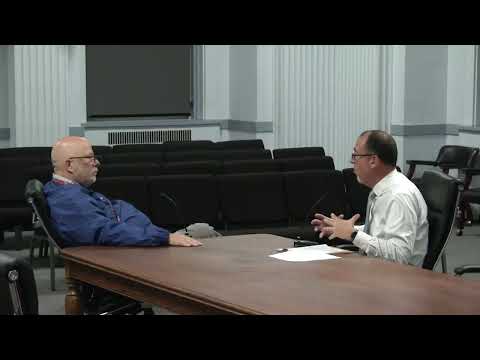
Council members and staff discussed how to address recurring unsanctioned private parties in Hagerstown, including events held in vacant commercial buildings and private residences that have drawn large groups of minors.
Council members said the primary concerns are underage drinking, late-night disturbances, and use of vacant commercial spaces that may lack responsible owners to hold accountable. Staff noted several enforcement options and limits:
- Curfew enforcement: juvenile curfew can be applied to minors and is enforced by police when juveniles are found violating curfew; this is useful when juveniles are present. - Fire-marshal/assembly rules: if a location exceeds legal occupancy limits, the state fire marshal can treat the event as an assembly violation. - Nuisance and code enforcement: the city's nuisance process remains an option but can be slow; on vacant properties the city sometimes lacks an owner to notify, which constrains enforcement. - Vacant-structure remedies: staff said they will research legal options to address long-vacant buildings that are repeatedly occupied, including possible civil remedies to establish guardianship or another mechanism to create an enforceable owner contact.
Police and code officials noted practical challenges: many of these events are informal, advertised by word-of-mouth or social media, and may scatter before officers arrive. When the owner cannot be identified, staff said there may be no private party victim to pursue criminal charges against, limiting options.
Council asked staff to review ordinances from other municipalities, explore curfew changes and social-media monitoring options, and identify whether administrative or civil remedies can give the city a path to remove repeat vacant-property problems.
Why it matters: Public-safety and neighborhood quality-of-life concerns arise when large unsanctioned gatherings involve minors and when vacant commercial properties are used without owner oversight.
What's next: Staff will research other municipalities'ordinances, consult with the police and fire marshal offices about assembly enforcement, and return recommendations during the budget or a future work session.
Ending: Councilmembers emphasized communication to the public about how to report suspicious large gatherings and the city's intent to pursue both enforcement and preventive outreach.