Get Full Government Meeting Transcripts, Videos, & Alerts Forever!
Get email alerts on the Governance topic
No spam. Unsubscribe anytime.
Avon Grove board debates public‑comment policy language; seeks solicitor guidance before vote
Summary
Board discussed proposed changes to policy 903 on public comments — including who may speak, separating agenda‑only comments from general comments, presiding‑officer authority and whether non‑resident custodial parents may speak. Trustees requested solicitor input and agreed to continue discussion at Committee of the Whole.
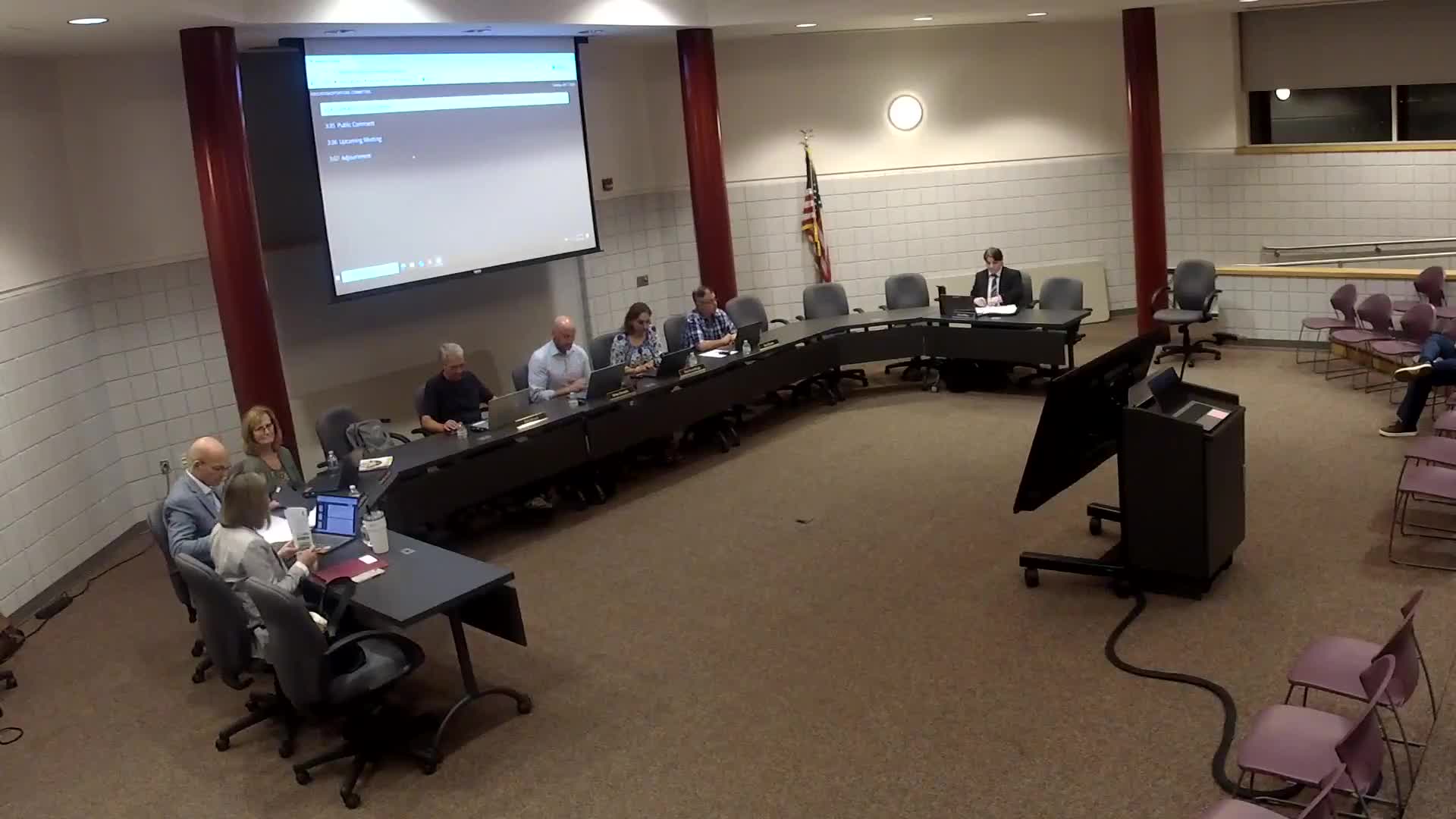
The board held an extended discussion on proposed revisions to policy 903, governing public comment at board and committee meetings, during the Oct. 2 operations committee meeting.
The revised draft presented by administration incorporated PSBA (Pennsylvania School Boards Association) recommendations and added the explicit categories of who may address the board — district residents, taxpayers, employees and students. It also codified a two‑part approach for legislative meetings: an agenda‑only public comment period at the start of the meeting (limited to items on which the board will take formal action) and a general public comment period at the end of the meeting for any district‑related topic. Committee meetings would retain a single agenda‑specific comment period.
Board members asked for clarification about whether a non‑resident parent or guardian of a currently enrolled student should be permitted to speak. Several trustees said they preferred allowing parents with custodial responsibilities to speak even if they live outside district boundaries, while counsel and PSBA guidance flagged enforcement and proof challenges. Trustees asked administration to obtain legal guidance from the district solicitor and PSBA before bringing a final policy to a full‑board Committee of the Whole review.
The proposal also identifies presiding authorities (the presiding officer, the superintendent and the district solicitor) who may interrupt or terminate a comment if it violates the policy, and it preserves a majority‑vote waiver provision to extend or alter public‑comment time limits during a meeting. Trustees asked staff to refine the draft to better separate the agenda‑only and general comment provisions, clarify who may respond to comments and to propose consistent language about whether responses will be delivered at the meeting or provided later.
No final vote was taken; the committee agreed to move the draft forward for first reading and to bring solicitor‑informed revisions to the Committee of the Whole for a second read and final action.