Lifetime Citizen Portal Access — AI Briefings, Alerts & Unlimited Follows
Judiciary panel advances bill expanding wrongful‑death claims to include unborn children at any stage
Loading...
Summary
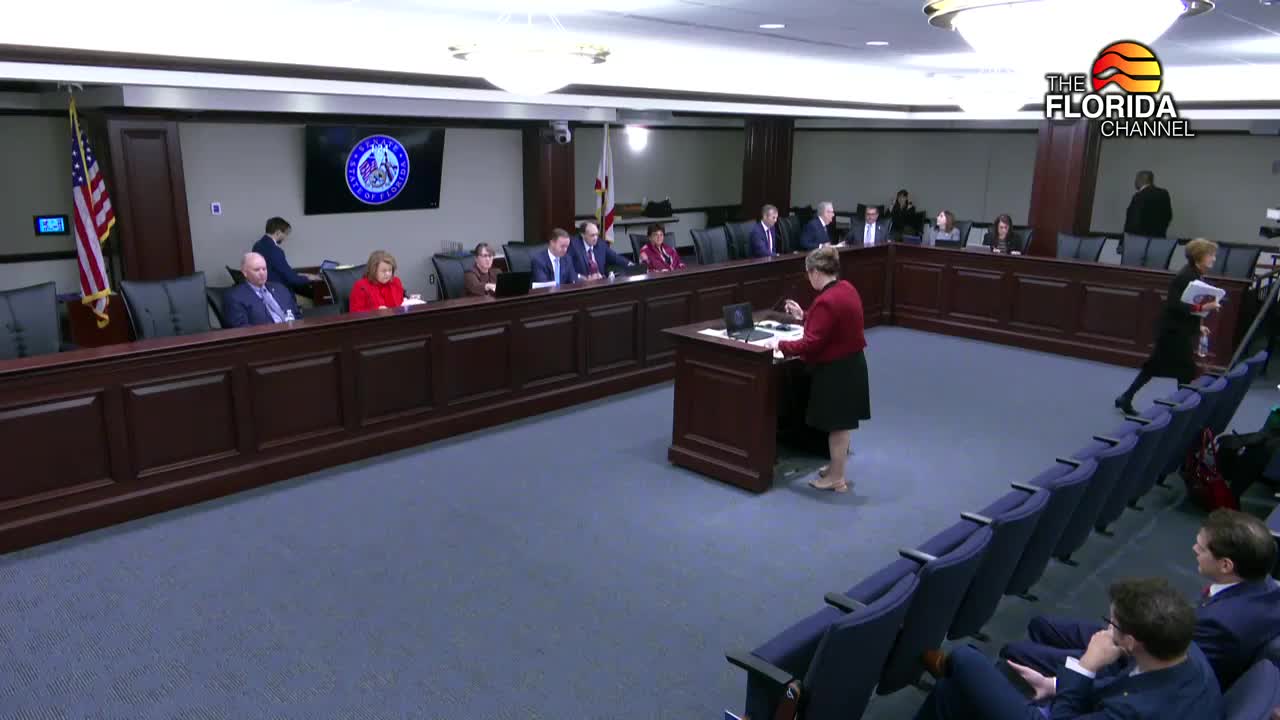
Senate Bill 164, which would allow parents of an unborn child to pursue wrongful‑death damages "in the same way" as for a minor child, was reported favorably by the Florida Senate Committee on Judiciary on a 5–4 vote after lengthy public testimony and debate.
Senate Bill 164, sponsored in committee as an expansion of Florida’s wrongful‑death law, was reported favorably by the Florida Senate Committee on Judiciary on a 5–4 vote after extended public comment and senator questions about scope, damages and medical‑liability consequences.
Sponsor remarks and bill text. Senator Grahl told the committee the bill would "allow parents of an unborn child to recover civil damages from a person responsible in tort for the unborn child's death in the same way that the parents would be permitted to recover in the event of the wrongful death of a minor child." The sponsor said the measure uses the existing statutory definition of "unborn child" drawn from Florida criminal statutes and includes language intended to prevent lawsuits against a mother or medical providers for lawful medical care.
What the bill would permit. Under the sponsor's explanation and the committee analysis, potential recoverable items mirror wrongful‑death damages for minor children and may include mental pain and suffering, medical and funeral expenses, and loss of support and services (subject to offsets). The sponsor and staff repeatedly said success in any case would require proofs of causation and that courts and evidence rules would limit speculative claims.
Concerns from medical, insurer and civil‑liberties witnesses. The hearing featured a broad array of opponents: the ACLU of Florida, practicing nurses, medical‑liability insurers (The Doctors Company), health‑care organizers and community groups. Kara Gross of the ACLU recounted out‑of‑state lawsuits and said the bill "would lead to doctors and hospitals denying necessary health care for fear of being sued." Mark Delagal of The Doctors Company warned the bill would increase malpractice exposure and reduce the number of OB‑GYNs willing to provide obstetrical care, citing ongoing workforce shortages.
Supporters and pro‑life witnesses urged parity and parity in remedies. Andrew Sherville of Florida Voice for the Unborn and John Labriola of the Christian Family Coalition said parents should have the same civil remedy for the death of an unborn child at any stage of development.
Key areas of committee questioning. Senators asked whether the statute would permit suits by people other than the mother (for example, fathers or sperm donors), how courts would value speculative "loss of support and services" for embryos or very early pregnancies, whether ordinary acts such as driving a pregnant person to an out‑of‑state appointment could be judicially characterized as a wrongful act, and whether the bill’s exclusions for lawful medical care are sufficiently clear to protect providers treating emergencies. The sponsor repeatedly emphasized that the wrongful‑death framework and existing evidentiary standards would limit frivolous cases and said she would consider language refinements to address some concerns.
Vote and next steps. The committee recorded five yeas and four nays and reported SB 164 favorably. Senators and witnesses said legal tests for causation and admissible expert testimony would determine which claims survive early screening; opponents cautioned the bill could impose litigation and insurance costs, affect access to care and disproportionately affect marginalized communities.
Provenance: Sponsor explanation begins at 00:21:48 and committee action is recorded at 01:50:19 in the committee transcript.