Lifetime Citizen Portal Access — AI Briefings, Alerts & Unlimited Follows
Committee hears push to beef up penalties and protections for correctional officers amid K2 exposure surge
Loading...
Summary
Testimony supporting H 2702 described rising assaults on correctional staff and dangerous exposures to synthetic cannabinoids ('K2'). Witnesses urged stiffer penalties for assaults, medical and workers' compensation protections for exposed staff, and technology and operational changes to prevent contraband entering facilities.
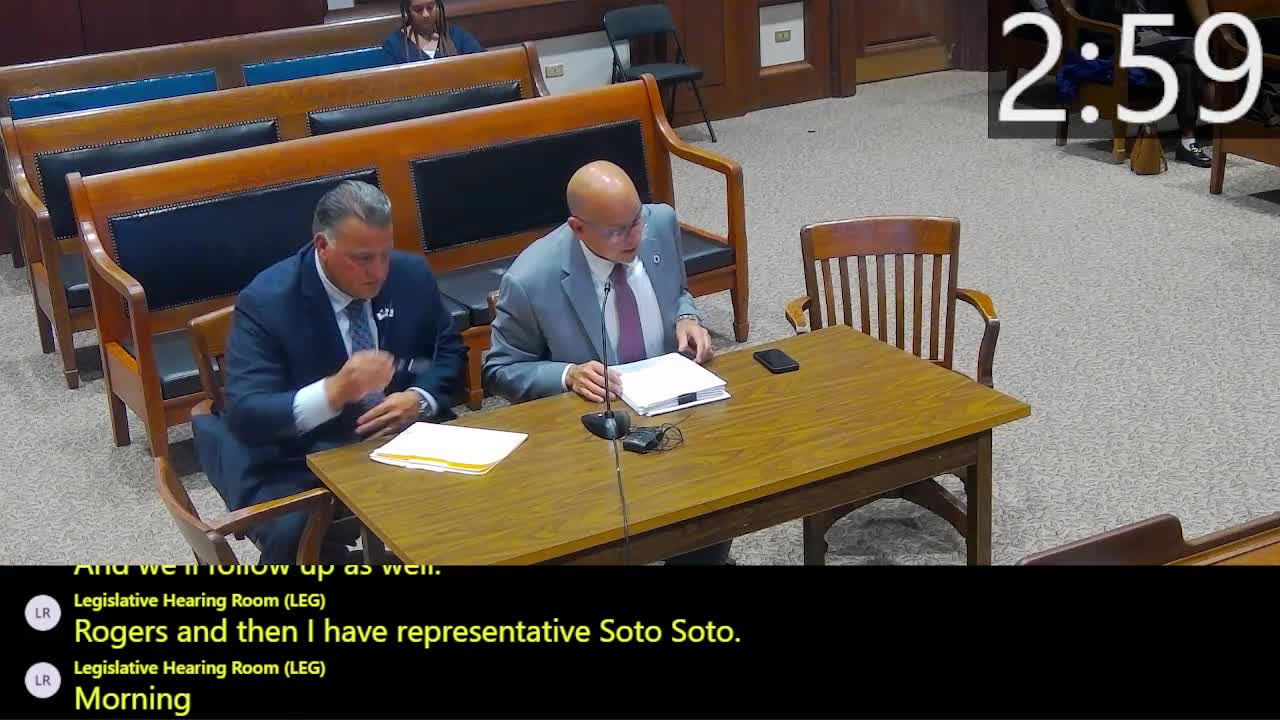
Lawmakers heard extensive testimony on H 2702, a bill aimed at bolstering protections for correctional officers across Massachusetts.
Representative Soter opened the segment by citing Department of Correction disciplinary data showing 648 staff assaults in 2024, up from 620 in 2023, and described a range of violent incidents in facilities. He and union witnesses characterized synthetic cannabinoids (commonly called "K2") as a public‑health and security threat inside jails and prisons; witnesses described instances where officers experienced seizures and other severe symptoms after handling material later found to be infused with synthetic chemicals.
Union leaders and corrections officials recommended a package of responses: stronger criminal penalties for assaulting staff (one union representative cited a non‑concurrent five‑year minimum for certain assaults), guaranteed medical leave and workers' compensation for those exposed to toxic substances, better intake classification systems, and technology pilots (witnesses referenced Lycan Technology scanning and chemical‑detection capabilities) to detect anomalies in mail, furniture and tablets. Several witnesses said tablets distributed for inmate communications contain metal strips that were being repurposed into improvised weapons and cited efforts to evaluate alternate vendors.
Committee members asked detailed questions about how contraband enters facilities and whether internal investigations track motive and sources. Witnesses said mail and tampered tablets were common vectors; several urged stronger screening of incoming mail and consideration of vendor alternatives for in‑facility devices. No votes were taken. The committee adjourned for the day without formal action on H 2702.