Get Full Government Meeting Transcripts, Videos, & Alerts Forever!
Get email alerts on the Motor Vehicle Special Permits topic
No spam. Unsubscribe anytime.
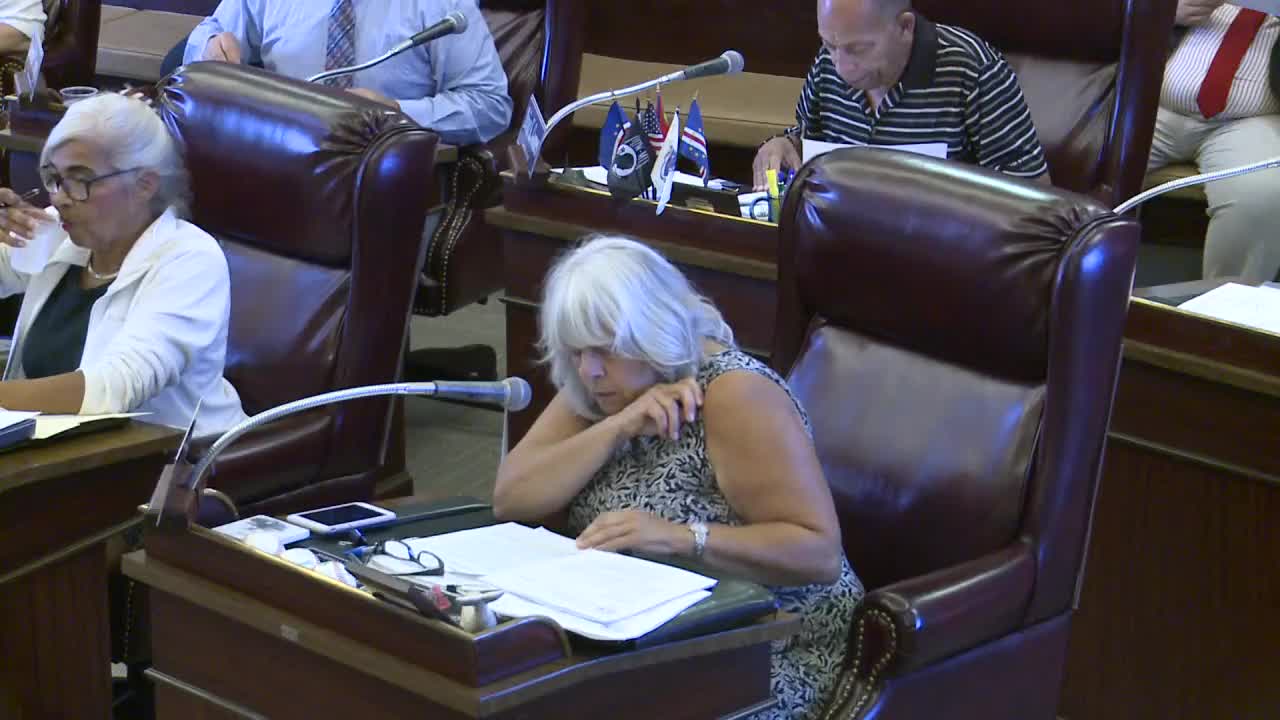
Committee sends plan to remove council from auto special-permit decisions to full City Council after debate
Summary
The Committee on Ordinances for the City of New Bedford referred a proposal to remove the City Council as the granting authority for automotive special permits to the full City Council after roughly an hour of presentations and debate.
The Committee on Ordinances for the City of New Bedford referred a proposal to remove the City Council as the granting authority for automotive special permits to the full City Council after roughly an hour of presentations and debate.
Clerk Dennis Farias opened the discussion by describing the existing process: when the building or zoning commissioner identifies an application that triggers a special permit the applicant files an application (an initial fee “anywhere from a $700 to $900” depending on parcel size), the matter proceeds through appointments and briefings to a full council vote, goes to the mayor (who has 10 days to sign), then returns to the clerk for a 20‑day appeals period. Farias also noted the separate licensing board conducts criminal-history checks and charges an annual licensing fee of about $300.
Councillors expressed sharply different priorities. Councilor Ian Abreu and others warned that removing the council’s role would reduce elected officials’ immediate authority to respond to neighborhood complaints: “You would lose that immediate direct authority,” Abreu said, arguing that constituents call their councilors first when problems arise. Several members said council hearings offer a public, media-visible forum where neighbors can testify and elected members can press applicants on operating conditions and car‑capacity limits.
Proponents argued the process imposes duplicative steps and delays on small businesses. Clerk Farias and other staff described the timeline and costs as burdensome for applicants. The zoning commissioner, Danny Romanowitz, told the committee the 2003 change that routed motor‑vehicle special permits to the council was intended to allow elected representatives to weigh in on neighborhood impacts but acknowledged many permits are routine and enforcement can be handled by licensing or the council if complaints arise.
After discussion, the committee considered a motion to table the referral but the tabling motion failed on a roll call. A subsequent motion, made by Councilor Sean Oliver and seconded by Councilor Choquette, to refer the item to the full City Council for “no further action” passed on roll call by an 8–3 margin. The committee therefore will not pursue ordinance text changes at this committee meeting and will transmit the referral and accompanying record to the full council.
What’s next: The full City Council will receive the referral and may choose to take up ordinance changes or leave the granting authority in place. Staff emphasized enforcement options remain available to neighbors through licensing and follow‑up investigations.