Lifetime Citizen Portal Access — AI Briefings, Alerts & Unlimited Follows
Massachusetts Appeals Court hears six arguments on injunctions, APOs, commitments, settlements and jurisdiction
Loading...
Summary
A three-judge panel in Boston heard six oral arguments covering a stay of a reinstatement order, an abuse-prevention order dispute, civil-commitment sufficiency, a contested settlement over family photographs, termination-of-parental-rights appeals, and a personal-jurisdiction challenge; no decisions were announced from the bench.
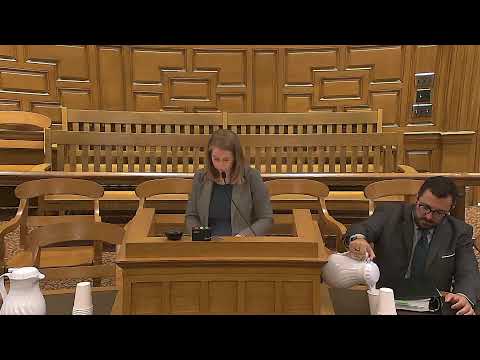
BOSTON — The Massachusetts Appeals Court convened a three-justice panel in Boston and heard oral argument in six separate matters on a packed morning docket.
The first argument, in Joe v. Lynn (docket No. 25844), centered on a defense request to stay or vacate a Superior Court order reinstating a former executive. Attorney Martin, arguing for the appellants, told the panel: "The appellants have a strong likelihood of success on the merits," and urged that the reinstatement order lacks the required equitable findings. The panel questioned whether the matter was properly before them under Rule 6I and how a parallel interlocutory appeal under paragraph two of Rule 118 should be treated or consolidated. Patrick DiNardo, representing the plaintiff, replied that "there's absolutely no abuse of discretion" in the single-justice ruling and emphasized the trial judge's detailed findings. Justices probed whether the order operated like a permanent injunction and whether the lack of specific findings below required reversal or remand for further factfinding.
In an impoundment appeal labeled AB v. SS (No. 25156), the court reviewed a judge's decision not to extend an abuse-prevention order (APO). Appellant counsel Matthew Lawrence argued that, under Chapter 209 and controlling precedent summarized in Latoya, the trial judge erred by failing to make explicit findings about the plaintiff's continuing fear or need for protection. The panel repeatedly questioned why no live testimony was taken in the district-court proceedings and whether the court may treat counsel's proffers as sufficient evidence for an extension. Defense counsel Noor Kasmi said the plaintiff did not meet her burden by a preponderance and that the judge had reasonable grounds for denial; justices discussed whether remand for findings or reassignment to another judge was appropriate.
The court next took up a settlement-enforcement dispute (No. 24898) in which a litigant sought relief after receiving what she said were far fewer family photographs than she understood the parties to have agreed would be turned over. Attorney Rich for the appellant argued the alleged mismatch of "thousands" of photos and albums went to the essence of the bargain and could render the supposed settlement void; opposing counsel Jeff Katzenstein said the record and affidavits supported the trial judge's finding that a settlement in principle existed and that the enforcement ruling was within the judge’s discretion. The panel focused on whether a short evidentiary hearing was needed to resolve factual disputes about whether photos were destroyed and what the parties actually agreed to exchange.
In a child-protection appeal (No. 241353), counsel for the appellant parent, Charles Levin, argued the trial court lacked clear and convincing evidence to terminate parental rights and had overlooked evidence of progress documented in foster-care reviews. The Department of Children and Families (Julie Gallup) and children's counsel (Susan Taylor) defended the judgment, citing ongoing safety concerns, parenting deficits, and the children's need for stability. Justices raised questions about the admissibility and authorship of foster-care review reports and whether some contested documentary material was cumulative of oral testimony.
The final argument of the morning, Trastiak v. Gough/Cooper (No. 25220), tested whether Massachusetts courts have specific personal jurisdiction over out‑of‑state defendants. Appellant counsel Anthony Panabianco argued that the defendants' promotion, social-media activity and touring contacts in Massachusetts, taken together, were sufficient under G.L. c. 223A §3 to support jurisdiction over tort claims (including alleged interference with contractual relations). Defense counsel Taylor Maxson countered that the contacts were sporadic and dated and that the complaint’s operative acts did not arise from any business transacted here; the panel pressed both sides on causation and the statutory subsections available to the appellant.
The panel repeatedly interrupted with procedural and evidence-related questions in each matter; no panel rulings were announced from the bench. Each case was submitted for decision after argument. The court recessed after thanking court staff and officers.
What happens next
Each appeal will be decided on the briefs and the oral argument record; the Appeals Court issues written decisions on the schedule of the court. The matters heard included factual disputes (some under impoundment orders) and principally legal questions about whether lower-court decisions should be affirmed, reversed, or remanded for further findings.