Lifetime Citizen Portal Access — AI Briefings, Alerts & Unlimited Follows
Lewis Bay Research presents DY Eco Campus, says project accepted as Earthshot Prize entry
Loading...
Summary
Brian Bragginton Smith of Lewis Bay Research told the Dennis‑Yarmouth school committee the DY Eco Campus has been accepted as an Earthshot Prize entry and outlined plans for renewable energy, agrivoltaics and hands‑on learning on multiple Cape Cod sites.
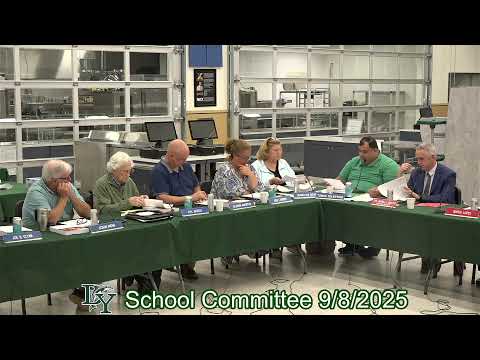
Brian Bragginton Smith, president of the Lewis Bay Research Center, told the Dennis‑Yarmouth Regional School Committee on Sept. 8 that the group’s vision for a Dennis‑Yarmouth Regional School Eco Campus has been accepted as an Earthshot Prize project and is now competing for the prize.
"The Dennis Yarmouth Regional School Eco Campus has been accepted by the Earthshot Prize and has been categorized as a Earthshot project," Smith said during a presentation that introduced proposed campus elements, regional partnerships and expected educational benefits for students.
Smith described three Cape Cod locations being pursued for the initiative — the DY Eco Campus on the main district campus, a Sandwich Green Project in Forestdale and a Pammette River Project — and outlined partnerships with Rotary International and the New Roots Charter School in Ithaca, N.Y. He said the aim is to create an experiential learning platform giving students hands‑on exposure to renewable energy, urban agriculture and advanced environmental monitoring.
On funding and project status, Smith said an MOU has been in place since 2019 and that he and a district representative "have just signed an extension to that MOU agreement," which he called the relaunch of the program after COVID delays. He added that being chosen for Earthshot gives the project organizational support but does not guarantee a specific award amount.
Smith also pointed to other financing possibilities: "We were authorized for a $1.3 million economic development bond bill appropriation in 2022. However, being authorized is not getting the money," he said, urging collaborative outreach to state officials to pursue available funds.
Project specifics presented to the committee included agrivoltaic fields, hydroponic and algae systems, photovoltaic glass greenhouses and tertiary wastewater treatment to recharge aquifers. Smith also described experimenting with biochar, saying it sequesters carbon and "can increase the overall productivity of the soil by as much as 300%."
Rotary International’s involvement was presented as a major source of support and advocacy; Smith said Rotary has some 1.2 million members and cited substantial organizational resources committed to the project’s replication and outreach.
The presentation drew questions from committee members about the project’s current status and funding contingencies. Smith said work on smaller, already‑operating pieces — such as the district community garden and a hydroponics lab — continues while the larger campus vision is advanced through partnerships and additional planning.
Next steps identified during the meeting include deeper coordination between the district and state officials to pursue the 2022 bond authorization and follow‑up briefings to the committee to provide details on timelines, funding and specific site development.