Lifetime Citizen Portal Access — AI Briefings, Alerts & Unlimited Follows
Adams County board restricts use of K‑9 donation fund, requires clearer accounting
Loading...
Summary
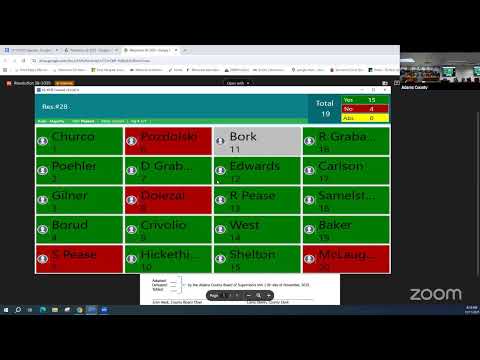
The Adams County Board voted 14‑5 to stop charging deputies’ wages and benefits to the donated K‑9 carryover fund, directing that donations be used for canine‑specific costs (training, veterinary care, supplies). The move followed debate about donor intent, auditor guidance and transparency.
The Adams County Board of Supervisors voted to restrict the county’s canine (K‑9) carryover/donation fund so that donations cover canine‑specific costs — training, veterinary care and equipment — and not deputies’ general wages and benefits.
Supervisor Rick Pease moved the change, arguing donors expect their contributions to be spent on the dogs themselves rather than wages or health benefits for officers. Finance staff and the county’s auditors had previously advised that using restricted donations to offset K‑9‑specific overtime and expenses can be reasonable accounting practice. County staff told the board the canine account currently holds about $175,000.
County Administrator and finance staff emphasized transparency: project codes were created to show donors where funds are spent and administrators said the Admin & Finance Committee will review coding and disclosures. Sheriff York and staff explained some overtime and training costs were handled through donations and specific project codes after Resolution 36 (project codes) was created following the 2025 budget.
What the board decided: a majority (14‑5) approved removing labor and benefits entries from the donated canine carryover fund; the board asked that the issue be brought back to Admin & Finance for a detailed review and recommended that the sheriff and finance provide clearer public reporting so donors know how money is used.
Why it matters: the decision affects donor expectations and county accounting practices. County auditors and finance staff warned that shifting accounting practices away from standard treatment could generate audit findings; supporters of the motion countered that donor intent and public transparency require stricter separations.
Next steps: Admin & Finance will review the canine project codes, and the sheriff’s office and finance department will prepare reports about current balances, prior expenditures from the fund, and expected annual program costs.