Tennessee appellate panel hears argument over whether post-conviction relief covers diversion revocations
Loading...
Summary
The court heard competing arguments over whether revocation of judicial diversion can be collaterally attacked under the Post-Conviction Relief Act in a case where diversion was revoked after the defendant picked up new arrests; petitioner urged application of the Act, the State urged affirmance of dismissal under existing precedent.
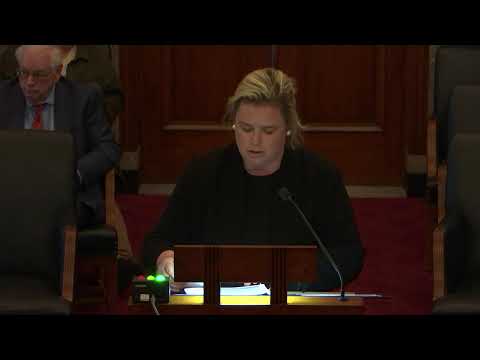
A three-judge panel heard oral argument over whether a defendant may use Tennessee’s Post-Conviction Relief Act to collaterally attack the revocation of judicial diversion.
David Christensen, counsel for the petitioner, told the court that “diversion revocation proceedings should be subjected to the post conviction relief act,” arguing that when a diversion is revoked and the defendant is resentenced the defendant should be able to challenge that revocation through post-conviction procedures. Christensen said the client, identified in the record as Mr. Piezewski, had been placed on judicial diversion in July 2021, later accrued two arrests that led to a violation finding, and was resentenced in a September 2022 proceeding. He argued the one-year post-conviction filing period should run from the date the diversion was revoked and noted the petition was filed in May 2023, within the statutory year.
Caroline Weldon, representing the State, asked the panel to affirm the post-conviction court’s dismissal. “This court should affirm the post conviction court's dismissal of the petition because it sought relief from the revocation of judicial diversion, and Tennessee case law provides that a petitioner cannot collaterally attack such a revocation through a post conviction proceeding,” she said. Weldon emphasized that the plea petition and diversion order in the trial record set out a period of supervision lasting 11 months and 29 days and that the parties presented an agreement to the trial court at the revocation hearing.
The judges pressed both sides on statutory mechanics and precedent. Panelists noted that diversion initially creates a period of supervision rather than a formal sentence, and asked whether the record showed the defendant personally admitted violations under oath or waived appellate remedies. Counsel for the petitioner said the defendant did not speak at the revocation proceeding and that no written waiver appears in the record, while the State said the parties had agreed to the consequences and the petitioner’s attorney represented that agreement to the court.
Both sides debated cases the attorneys cited. Counsel referenced Carpenter to analogize resentencing in community corrections, while the State cited the rationale of cases like State v. Young and other Tennessee decisions that have restricted collateral attacks on probation-revocation proceedings. The State argued diversion revocations are treated similarly to probation revocations under Tennessee law and urged the panel not to expand post-conviction relief to reach diversion revocations.
The panel took the case under advisement and recessed briefly to consider the arguments. No decision was announced at the hearing.
The next steps are for the court to issue a written opinion resolving whether the Post-Conviction Relief Act applies to revocations of judicial diversion and, if so, whether the petitioner’s case should be remanded for merits review.