Get Full Government Meeting Transcripts, Videos, & Alerts Forever!
Get email alerts on the Zoning Omnibus 25 12 topic
No spam. Unsubscribe anytime.
Zoning commission closes final hearing on omnibus text amendments; discussions focus on density labels, penthouse heights, window rules and neighborhood uses
Summary
At its sixth hearing on case 25-12, the Zoning Commission heard the Office of Planning present four text amendments aimed at clarifying mixed-use zone descriptions, adjusting penthouse height limits in MUCAP zones, removing antiquated window-separation rules, and adding daytime care to NMU designated uses; public commenters were split and the commission scheduled further deliberations and closed sessions.
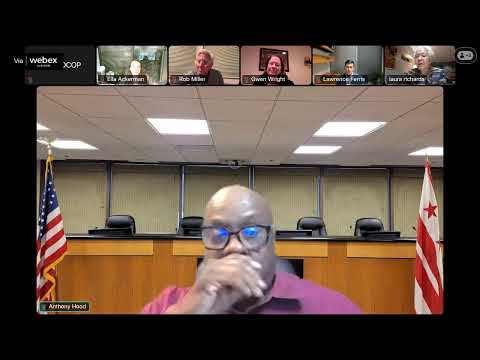
The District of Columbia Zoning Commission on Nov. 6 held the sixth and final public hearing on an omnibus package of zoning text amendments (case 25-12) presented by the D.C. Office of Planning.
Joel Lawson of the Office of Planning told the commission the proposals are largely technical changes intended to align zoning text with the existing Comprehensive Plan, reduce redundant rules that hinder housing production, and modernize language carried over from earlier codes. "The amendments... address comprehensive plan policy and objectives, including housing policy and equity issues, to remove unnecessary barriers to housing," Lawson said.
The four items discussed at length were: a change to the narrative descriptions of several mixed-use zones (MU4, MU5 and MU7) so they match Comprehensive Plan density designations; a proposal to align penthouse height allowances in certain MUCAP/Capitol-area zones with other 40-foot zones (proposed limits: 12 feet for habitable penthouse space and 15 feet for mechanical); removal of detailed, numerical window-separation criteria in MU and downtown zones in favor of ordinary special-exception review standards; and an amendment to add daytime care to the list of designated ground-floor uses in Neighborhood Mixed Use (NMU) zones so such uses can count toward the 50% designated-use requirement.
Supporters said the changes would reduce unnecessary regulatory burdens. "We support the Office of Planning's proposed omnibus text amendment and are excited to see the amendments move forward," said Lawrence Ferris of Coulston & Storrs, who testified for private land-use clients and emphasized that construction codes already address many safety-related spacing concerns.
Opponents, including the Committee of 100, urged caution. "The amendments will... incentivize additional height and bulk, regardless of what a community might want," said Laura Richards for the Committee of 100, who also warned that deleting mandatory window‑separation standards would remove a clear, enforceable protection for light, air and tenant privacy.
Commissioners asked technical questions and pressed for examples. Commissioner Wright sought a concrete example of where the numerical separation rules had been an operational benefit and asked whether removing them would simply leave the Board of Zoning Adjustment greater discretion. Lawson replied that the ordinary special‑exception criteria (effects on light, air and privacy) would remain and that OP would require applicants to provide the necessary analysis in cases where impacts were possible. Vice Chair Miller asked OP to place any email responses from the Architect of the Capitol about penthouse changes into the record.
No final vote on the text amendments occurred at the hearing. The commission moved and approved two closed-session items to receive legal advice and deliberate on procedural matters tied to case 25-12; the transcript records roll-call outcomes reported as 3–0–2 for those motions. The commission also discussed and confirmed future deliberation meetings in late November, though the hearing record contains inconsistent time references to start times.
Written testimony remained open for the record; Lawson reminded the hearing that additional written submissions and agency comments were part of the public record and that OP would continue refining the drafts.
Next procedural steps for the amendments will be formal deliberation by the commission, possible direction to staff for redrafting, and eventual proposed and final action votes. The commission adjourned after the public comment portion concluded.