Get email alerts on the Student Voice topic
No spam. Unsubscribe anytime.
Students Testify for Full Voting Rights on Local School Committees (S.367)
Summary
High‑school members of Student Speak told lawmakers that providing student representatives full voting rights would strengthen governance and civic engagement; they recommended training, mentorship, and a stipend to support participation.
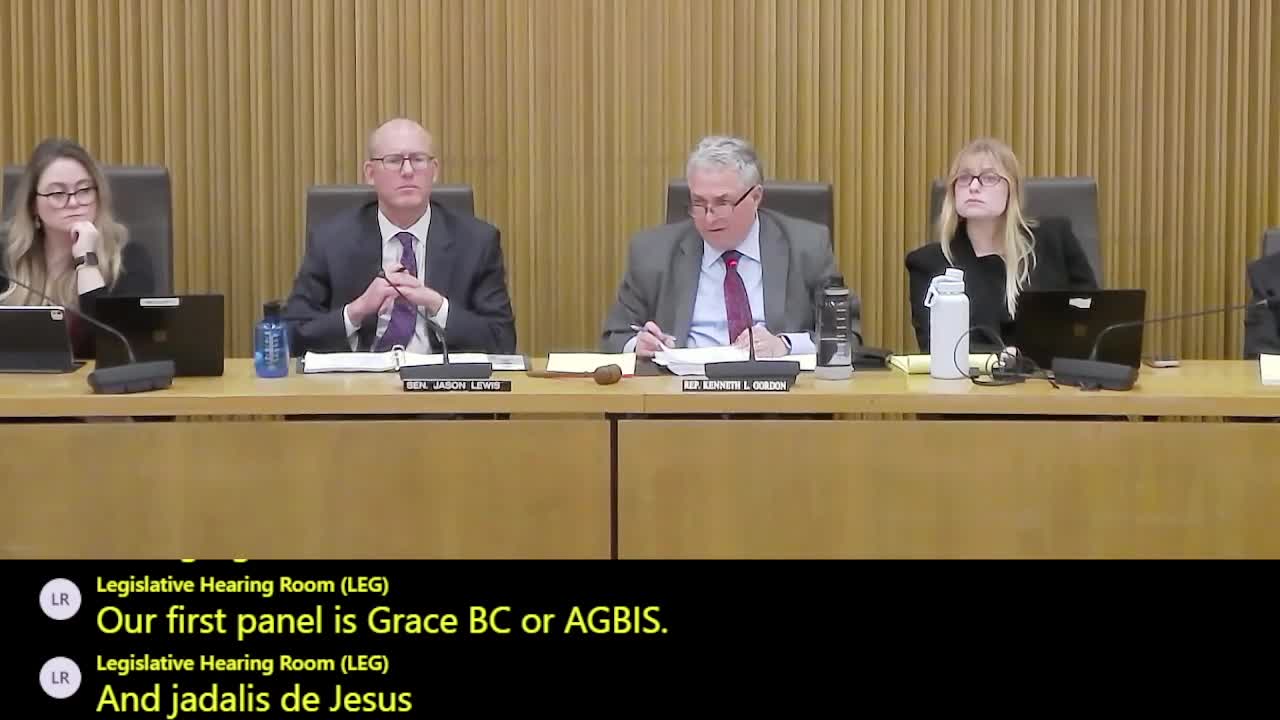
BOSTON — A succession of student leaders told the Joint Committee on Education that giving student representatives a full vote on school committees would transform participation and help shape policies that affect students.
Members of Student Speak argued that current non‑voting student seats leave student voice optional and unmoored from decision making. ‘‘Once students have a vote, they have a real voice,’’ Jada Lisonbee said, urging committee support for S.367 and recommending election of student representatives within schools (SEG 2322‑2330).
Speakers cautioned the committee that the bill should include supports: orientation and training, mentorship, and protections for students serving in sensitive settings such as executive sessions. Ethan Rivera and Max Benica cited Maryland as a model with orientation days, mentoring and explicit training for student committee members (SEG 2610‑2670). Committee members asked about democratic legitimacy and compensation; students suggested elected representation by their peers and said a stipend or scholarship was an acceptable form of compensation (SEG 2476‑2505).
Next steps: testimony closed on S.367; students and advocates offered to submit suggested amendments to include training and mentorship requirements.
AI generated
The text on this page is AI generated. Summaries, highlights, analysis, and video transcripts are all produced from the original source material.
AI can make mistakes, so if you spot one, and we will fix it for everyone.
Note: the source content is unaltered by us. Any content source we link to, be it a video, an audio recording, or a document, is presented exactly as its publisher released it. That publisher is usually a government body, sometimes an individual official or another organisation.