Get AI Briefings, Transcripts & Alerts on Local & National Government Meetings — Forever.
Healy releases 'Go Higher' report saying Massachusetts public colleges boost earnings and economic mobility
Loading...
Summary
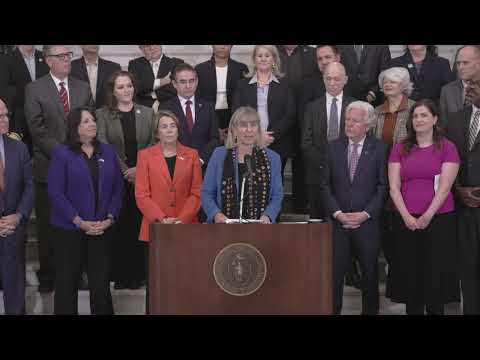
Governor Healy and state higher-education leaders released the "Go Higher" report, which they said shows graduates of Massachusetts public colleges and universities earn materially more than non-graduates and that recent affordability measures have increased enrollment and access statewide.
Governor Healy announced the release of a state report, "Go Higher: The earnings outcomes of public postsecondary education in Massachusetts," saying the study shows a measurable return on the commonwealth's investment in public higher education and greater economic mobility for graduates. "The typical graduate with a 2 year associate degree ... 5 years later, that graduate is earning $20,000 more than they would be had they not gone and gotten that degree," Healy said, adding that a typical four-year bachelor's degree holder is earning "$30,000 more" five years after graduation.
The administration and legislative leaders said recent affordability policies helped drive enrollment back to pre-pandemic levels and expanded access. Senate President Karen Spilka credited the student opportunity plan and programs she described as Mass Educate and expanded need-based grants, saying families "making $85,000 or less can go to any state public higher ed school ... for free." UMass President Marti Meehan said UMass graduates see a strong earnings premium: five years after graduating, "the average UMass alum earns more than $78,000 a year," about "$30,000 higher than the average high school graduate." Meehan also noted that UMass awards roughly "$422,000,000 in UMass funded aid every year" and said the average in-state undergraduate now pays "less than $6,000 in net tuition and fees."
Speakers from state universities and industry reinforced the report's findings with examples of employer partnerships and alumni outcomes. John Keegan, president of Salem State University, said state universities serve large numbers of first-generation and Pell-eligible students and that most of their graduates remain in Massachusetts to join the workforce. Gaetano, a Salem State alumnus now working in corporate tax analysis, described scholarships and institutional support as essential to his path out of poverty. Ally Joyce, program manager at biopharmaceutical firm Ultragenyx, described learn-and-earn placements that converted several interns into employees and credited the Massachusetts Life Sciences Center and industry partners for strengthening the pipeline.
The officials tied the report's findings to recent policy actions: expanded financial aid to students across the state's 29 public institutions (15 community colleges, nine state universities and six UMass campuses), the BRIGHT Act for campus infrastructure, investments in apprenticeships and career-innovation pathways, and registered-apprenticeship growth the governor said now totals about "10,000 registered apprentices" in the commonwealth.
After remarks, Healy thanked campus leaders, staff and educators and opened the event to questions. He briefly criticized recent federal education funding changes, calling the moves "hard to get my head around," then acknowledged he was moving "off topic" and closed the program.