Get Full Government Meeting Transcripts, Videos, & Alerts Forever!
Get email alerts on the Tobacco Paraphernalia topic
No spam. Unsubscribe anytime.
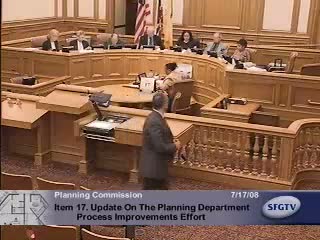
Commission finds tobacco-paraphernalia ordinance overbroad; sends staff back to refine definitions
Summary
Planning staff warned that a proposed ordinance to create a new use category for "tobacco paraphernalia establishments" is overly broad and could capture many ordinary retailers; commissioners called for clearer thresholds and procedures and moved an intent to disapprove pending final findings.
The Planning Commission reviewed proposed code changes to create a new use category for "tobacco paraphernalia establishments," an ordinance introduced by Supervisor Sandoval. Planning staff told the commission the draft text is overly broad because it lacks a size threshold (a shop that sells one or two items could be treated as a tobacco-paraphernalia establishment) and defines paraphernalia expansively.
Staff recommended several modifications: add a square-footage or percentage threshold to trigger the new use, treat Article 2 commercial districts differently (where a conditional use may be appropriate), allow a 30-day notification procedure in Article 7 neighborhood districts, and remove Article 8 mixed-use districts from the current proposal pending larger area plans. Commissioners, members of the public and staff questioned the empirical basis for the ordinance and warned of unintended consequences for antique, jewelry and small retailers that occasionally sell smoking accessories.
After debate, a motion to recommend approval with modifications failed; commissioners then moved to record an intent to disapprove and asked staff to return with final findings by a set date so the Board of Supervisors and the sponsor can consider revised language. Planning staff emphasized they have been working with the supervisor's office to refine the proposal and will continue to negotiate appropriate limits and implementation mechanisms.
The commission's action was procedural: it did not adopt the ordinance but sought clearer definitions and legal/operational changes before the legislative body considers any permanent rule.