Get Full Government Meeting Transcripts, Videos, & Alerts Forever!
Get email alerts on the City Budget topic
No spam. Unsubscribe anytime.
San Francisco budget office offers two‑year plan as controller flags state and ballot risks
Summary
Mayor’s budget office presented a two‑year city budget the committee described as balanced at high level but dependent on local tax growth and a one‑year state reserve; the controller urged caution about state and federal budget uncertainty and the November ballot revenue assumptions.
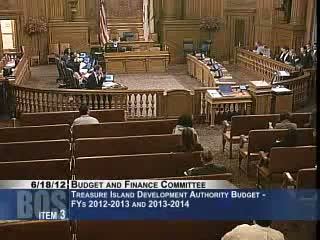
San Francisco’s mayoral budget team presented a two‑year spending plan to the Board of Supervisors Budget & Finance Committee that would authorize roughly $7.35 billion in citywide spending in fiscal 2012–13 and boost the general fund to about $3.5 billion, Mayor’s budget director Kate Howard said. The proposal preserves city services while reflecting higher labor costs as previously negotiated furlough days expire, planned hiring in public safety and the absorption of functions from the dissolved redevelopment agency.
Controller Ben Rosenfield told the committee his office finds the mayor’s revenue assumptions “reasonable” for the first year of the plan but urged close monitoring of two key risks: the pace of local economic recovery and continuing state and federal budget uncertainty. The controller pointed to a $15 million contingency the administration set aside to cover state cuts in the first year and noted that no such reserve is included in the plan’s second year.
Supervisors pressed administration officials about the adequacy of the $15 million state reserve. Supervisor John Avalos and others noted the mayor’s proposal also assumes continued hotel‑tax and transfer‑tax growth and that the state budget package relies on prospective ballot measure revenues in November. Rosenfield said the state’s plan assumes the passage of a multibillion‑dollar revenue measure, creating an outcome that the city will need to revisit once the state’s trajectory is clearer.
Howard said the two‑year budget’s growth drivers are: the annualization of labor increases, the inclusion of redevelopment successor‑agency obligations, increased capital and debt service costs, and modest growth in enterprise departments such as the PUC and airport. She said the plan does not propose service reductions and includes modest increases in general reserves and a budget stabilization reserve.
The committee took the presentations as the opening of a multi‑week review period; Rose (the board’s budget analyst) and department directors flagged a number of line‑item exceptions and follow‑up questions to be resolved during committee deliberations.