
District outlines bus fleet, replacement plan and timeline for EV charging infrastructure
Get AI-powered insights, summaries, and transcripts
Subscribe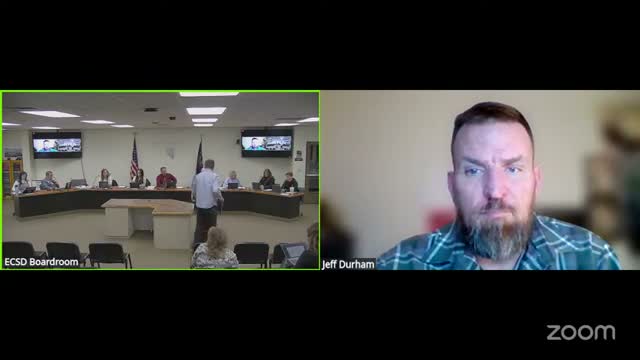
Summary
Transportation staff reported the district fleet status (83 buses in inventory, 51 daily route buses, 11 spares), explained replacement pacing (five buses per year), current unit cost pressures, and an EV bus and charger timetable with infrastructure expected in January 2026 and first EV buses arriving in March 2026 under grant funding.
Transportation director Seth Kenny briefed trustees on the district’s bus fleet, usage and replacement strategy and gave an update on an EV‑bus rollout the district is pursuing with partners.
Kenny said the district has 83 buses in inventory with 51 in daily route service, 11 spares and 16 units dedicated to trip use. Annual district mileage is roughly 900,000 miles and route miles have fallen after the adoption of a four‑day instructional week; that reduction translates into lower fuel consumption but does not eliminate the district’s long‑term replacement need.
Kenny described the replacement plan: the district is buying roughly five buses per year to smooth the fleet age profile and expects to continue incremental purchases to reduce the number of vehicles older than recommended service life. Current estimated unit prices cited in the presentation were about $235,000 for an 84‑passenger rear‑engine bus and roughly $120,000 for smaller type‑A buses — markedly higher than 2019 pricing.
On electrification, Kenny said Nevada Energy has ordered components for the charging infrastructure with expected delivery of site equipment in January 2026. He reported multiple EV buses in factory production with projected district delivery in March 2026; state grant funding (Nevada Clean Energy Fund) is expected to cover vehicle costs so the district anticipates little or no out‑of‑pocket cost for the vehicles and infrastructure.
What happens next: transportation staff will continue cyclic bus purchases, manage spares to support route reliability, and coordinate permitting and installation for the charging stations. Trustees asked about state funding formulas and the rolling five‑year average that determines state support for bus replacements.
Why it matters: fleet replacement and EV planning are capital and operational priorities that influence transportation reliability, operating costs and greenhouse‑gas emissions. The timing of infrastructure delivery and grant funding affects when the district can take delivery and operate EV buses on its routes.