Get Full Government Meeting Transcripts, Videos, & Alerts Forever!
Get email alerts on the Mask Mandate topic
No spam. Unsubscribe anytime.
Arkansas health chief urges masks as lawmakers press limits of emergency authority
Summary
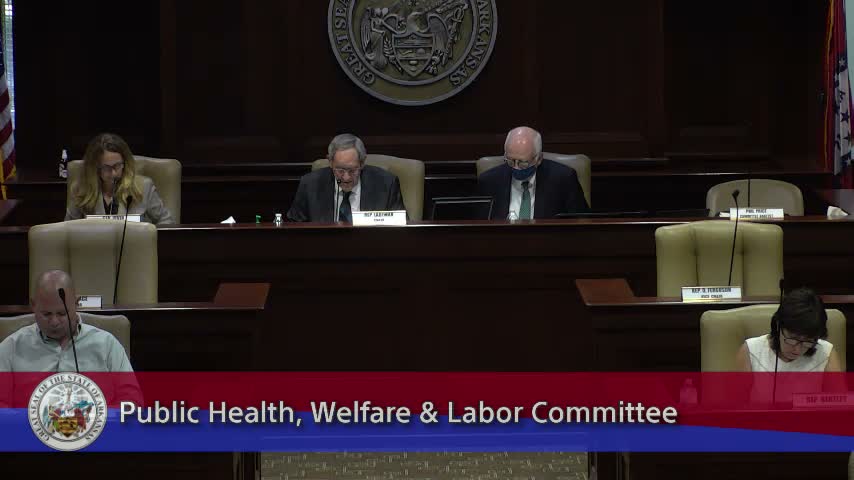
Interim Health Secretary Jose Romero told the Public Health, Welfare and Labor Committee that masks are a core prevention tool and urged broad adoption, while legal counsel told legislators the governor's emergency orders under Title 12 give the executive power to direct the secretary. Lawmakers pressed for statutory limits and local data.
Interim Arkansas Department of Health Secretary Jose Romero told the Public Health, Welfare and Labor Committee on Monday that wearing face coverings is one of three simple, effective public-health measures—alongside social distancing and hand washing—that reduce spread of COVID-19.
Romero, a pediatric infectious-disease specialist, said masks are part of “a tripartite attack on [the] COVID virus” and cited case reports and population studies showing reduced transmission with mask use. He told legislators that communitywide adoption is necessary for mandates to show measurable impact and warned that localized mandates can be diluted by travel into mandated areas.
The hearing shifted quickly into questions about the scope of executive authority. Laura Shue, general counsel for the Department of Health, told the panel the governor has emergency powers under Title 12 to declare disasters and direct the secretary of health under Title 20 to issue orders. "The mask directive has been issued based on scientific data," she said, and courts have upheld prior emergency actions, she added.
Several lawmakers expressed concern about open-ended authority and asked when the executive branch should consult the legislature. Representative Peyton and others asked whether the emergency powers could be used to mandate measures beyond masks—such as hand washing or exercise—if backed by scientific evidence. Shue said the authority exists in the emergency act but that limits would be interpreted by courts.
Romero and counsel both pledged to provide more localized data and legal analysis on specific questions—such as whether a vaccine could be mandated—if the committee asked. Romero said a vaccine mandate could not be rationally considered now because no vaccine is yet available and exemptions are commonly part of vaccine law.
The committee did not take a vote. Members said they will press for clearer statutory guidance, data on the mandate's observable impacts, and follow-up briefings from health officials and legal counsel.