Get Full Government Meeting Transcripts, Videos, & Alerts Forever!
Get email alerts on the Social Services Funding topic
No spam. Unsubscribe anytime.
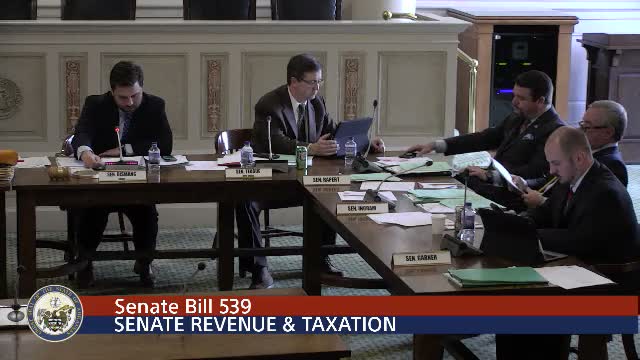
Committee hears hours of testimony on ending gambling-loss deduction to fund waiver slots; no final vote
Summary
Sponsors proposed ending the state deduction for gambling losses and transferring roughly $11 million to fund developmental-disability (DD) waiver slots; DFA estimated about $11.5 million in additional revenue but industry lawyers warned of administrative burdens and unintended coverage consequences. The committee recessed without taking a final vote.
Senate Bill 6-40 was introduced by Representative Julie Mayberry and parents and advocates who urged the committee to eliminate the state income-tax deduction for gambling losses and reallocate roughly $11 million in state funds to reduce the developmental-disability (DD) waiver waiting list. Mayberry said the transfer would be matched with federal dollars to triple the spending power and could add hundreds of waiver slots for people with developmental disabilities who have waited years for services.
Advocates including Mark George and multiple parents delivered emotional testimony describing the burden of waiting for services and the benefits of waiver slots, saying those services enable employment, independence and family stability. Nancy Carol Stewart and Ashley Durden gave lengthy personal accounts of caring for children with high medical and daily-care needs.
DFA testified the elimination of the gambling-loss deduction would generate an estimated $11.5 million in net revenue based on tax-year 2017 data. Walter Ebel, representing Oaklawn and other industry interests, and other tax lawyers warned the proposed change would tax every winning wager, create administrative complexity for taxpayers who do not receive W-2G statements, and could reduce tourism and gambling-related economic activity.
Committee members engaged in detailed technical questioning about which gamblers would report the income and how losses would be treated in practice. Given the volume of testimony and the departure of quorum, the committee recessed to reconvene shortly after adjournment without taking a final vote on SB 6-40.