Get Full Government Meeting Transcripts, Videos, & Alerts Forever!
Get email alerts on the Property Tax topic
No spam. Unsubscribe anytime.
Senate committee approves bill to protect schools and counties during property-tax appeals
Summary
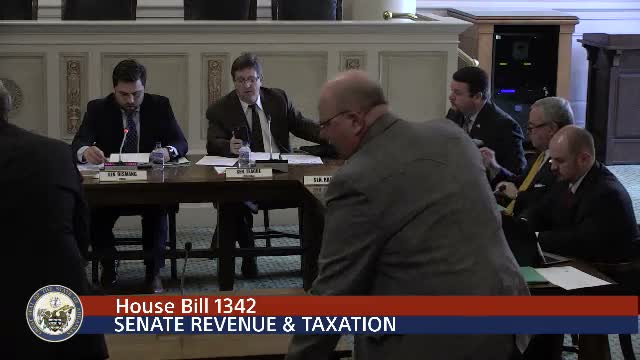
The Senate Revenue & Tax Committee passed House Bill 15-62 to require taxpayers disputing real-property assessments to either pay an agreed portion, post the least of three calculations, or allow the court process to proceed—meant to prevent budget shortfalls for school districts and counties during long appeals.
House Bill 15-62 was presented by Representative Meeks as a compromise bill intended to protect school districts and counties when large property-tax disputes are litigated. Meeks recounted a 2013 Faulkner County case in which a company initially paid disputed amounts, the schools received the funds, but later a court ruling required substantial repayments that nearly bankrupted the district.
Under HB 15-62, when a taxpayer formally disputes a real-property tax assessment they must choose among three options: pay the portion not in dispute, pay the amount that would be due under a court-ordered auction, or pay the amount equal to the prior year’s assessment that was undisputed. Representative Meeks and Lindsey Bailey of the Association of Arkansas Counties told the committee the measure reflects months of negotiation with affected parties including counties, schools and business interests and that it is intended as a fairness measure to allow taxpayers their day in court while protecting local budgets.
Committee members asked technical and litigation-related questions; the bill’s presenters explained the mechanics and confirmed that if a taxpayer paid more than ultimately owed the excess would be returned following litigation. With no opposition signed up, the committee voted by voice and the chair announced HB 15-62 had passed out of committee.