Get Full Government Meeting Transcripts, Videos, & Alerts Forever!
Get email alerts on the Liquor Tax topic
No spam. Unsubscribe anytime.
Staff presents final report on liquor-by-the-drink tax and restaurant regulations
Summary
TACIR staff presented a final report reviewing the liquor-by-the-drink tax, related licensing and permitting under Title 57 (chapters 4 and 5), and barriers to restaurant entry; staff removed a prior draft recommendation about post-and-poll laws and recommended streamlining licensing while preserving revenue and public health safeguards.
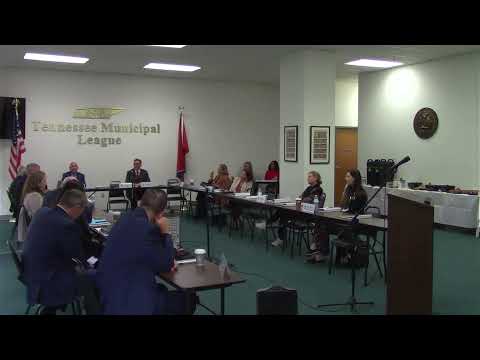
Staff member (Speaker 2) presented the Tennessee Alcoholic Beverage Commission study on the liquor-by-the-drink tax and restaurant regulations and asked the commission to approve the final report. The staff said the study responded to legislative direction in Senate Bill 2262 and House Bill 2419 from the 112th General Assembly and reviewed licensing, permitting and fees under Title 57, staffing challenges for server permits, wage and training issues, and barriers to entry for new restaurants. "Today, I'm gonna present the final report on the liquor by the drink tax and restaurant regulations for your approval," Speaker 2 said.
The presentation said staff removed a draft recommendation that would have proposed changes to Tennessee's post-and-poll laws after internal review and stakeholder feedback concluded the evidence did not support that change; the corresponding edits appear on pages 2 and 21 of the report. The report retains a recommendation aimed at easing the process of opening and operating restaurants without reducing state and local revenue or compromising public health and safety. To that end, the report recommends that the Tennessee Alcoholic Beverage Commission inform applicants that it accepts temporary occupancy and use permits for liquor-license applications and that the Strategic Technology Solutions team continue to explore further automation of the liquor-licensing application process.
The presentation did not include dollar amounts or implementation timelines; funding, if required, was not specified. Speaker 2 concluded by asking the commission for approval of the final report. The transcript records the request for approval but does not show a separate roll-call vote specific to this item in the excerpt provided.
The commission moved on to the next agenda item following the presentation. The report source materials cited Senate Bill 2262, House Bill 2419, and Title 57, chapters 4 and 5 as the legislative basis for the study. Next procedural steps or formal implementation actions tied to this report were not specified in the provided excerpt.