Get Full Government Meeting Transcripts, Videos, & Alerts Forever!
Get email alerts on the Employee Compensation topic
No spam. Unsubscribe anytime.
Laredo ISD public commenters urge trustees to prioritize recurring pay raises over one-time bonuses
Summary
Speakers at the July 18 Laredo ISD board meeting, including the TSTA local president and a former teacher, urged trustees to convert temporary bonuses into recurring salary increases to improve worker morale and retirement benefits; trustees acknowledged concerns and said the district will better explain funding restrictions and explore options.
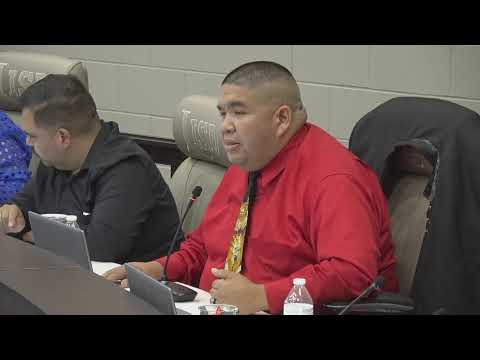
Guaido Lagarasap, identifying himself as president of the local chapter of the Texas State Teachers Association, told the Laredo ISD Board of Trustees on July 18 that district employees deserve more than one-time bonuses and asked trustees to allocate recurring pay increases for the 202425 school year to help workers with rising costs and retirement benefits. "An increase in pay should be afforded to them through courageous decision making," Guaido said during the public forum.
Former teacher and college board member Rene LaVena told trustees the difference between a bonus and a pay raise matters for retirement: bonuses are a one-time payment while a recurring raise increases a teacherretirement calculation with Texas Retirement System benefits. "A bonus goes to TRS one time. A pay raise goes every year to their retirement," LaVena said, urging the board to look deeper into district finances to find sustainable compensation.
Trustees responded to the speakers by acknowledging the morale concerns described and reiterating limits on how district funds may be used. Several trustees suggested the board should do more outreach explaining the distinction between bond/capital spending and salary funding, saying large capital expenditures can create misleading optics for employees who ask why those funds cannot be used for raises. One trustee proposed producing website materials and social-media explanations illustrating which revenue streams can be used for compensation.
Board members also noted the state budget and timing constraints: staff said the district expects no additional state assistance and recommended continued internal budget review. Trustees encouraged ongoing discussion at committee level and asked administration to return with options, while emphasizing support for employees.
The board did not adopt a compensation plan at the meeting; public commenters asked the board to prioritize pay raises as officials continue work on next yearbudget and compensation decisions.