Get Full Government Meeting Transcripts, Videos, & Alerts Forever!
Get email alerts on the Housing Conditions Leopoldo Figueroa topic
No spam. Unsubscribe anytime.
House committee presses agencies after deaths and service gaps at Leopoldo Figueroa housing complex
Summary
Lawmakers convened a October 3 House committee hearing after multiple deaths and complaints at the Leopoldo Figueroa housing complex, pressing the Department of the Family, AMSCA and the AM Contract administrator for rapid fixes, documents and follow-up actions. Agencies described recent visits, referrals and planned measures including more social-work presence, technology pilots and maintenance work.
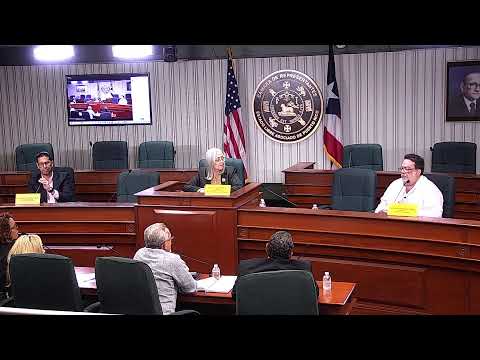
Representative Lizzie Burgos Muñiz, chair of the House Commission on Social Welfare, People with Disabilities and Older Adults, opened a public hearing on Oct. 3 to investigate living conditions and alleged irregularities at the Égida Leopoldo Fernández Figueroa in Río Piedras. The commission convened after press reports and community complaints about multiple sudden deaths and service shortfalls at the complex, which houses roughly 240 units, and compared conditions at Beatriz La Salle (about 100 units), which residents described as markedly better.
Early testimony came from Dr. Silvia Rosado Vélez, a retired mental-health nurse who volunteers psychoeducational and cognitive-stimulation services at several égidas. Rosado described recurring operational obstacles that prevented residents from accessing free activities, saying many of her visits were thwarted by closed activity rooms, late promotion of events or staff absence. “Creo firmemente en la capacidad del ser humano de aprender independientemente de la edad,” she testified, urging better coordination with agency staff.
The Department of the Family said regional teams visited Leopoldo Figueroa on Aug. 2 and Sept. 25–26 and have carried out door‑to‑door outreach, delivered informational materials and made referrals for aides and substitute care. Secretary Cindy Rodríguez Troche told lawmakers the department plans at least twice-weekly presence in the short term and is coordinating follow-ups for residents who requested services. Rodríguez Troche acknowledged resource constraints and recommended interagency planning and legislative review of service alignment.
Representatives pressed agencies on whether the Family Department may act proactively or only after referrals under Ley 121. Committee members cited the law’s prevention and investigation mandates while also noting limits the department faces in entering privately administered units without consent. Several lawmakers urged more assertive action: Representative Gabriel Rodríguez Aguiló warned the chamber that “allí van a ser cadáveres” if conditions are not corrected, and other members described the situation as a public‑health and human‑safety emergency.
AMSCA (mental‑health administration) officials described regular outreach and a 24/7 crisis line (Línea Paz), and listed a string of community visits and group activities offered across the island. Carmen Bonet, AMSCA’s administrator, said AMSCA has conducted repeated door‑by‑door contact and made referrals to Family when appropriate.
Housing administration and the private agent‑administrator AM Contract (which manages Leopoldo Figueroa under a contract signed in 2020) provided the afternoon panel. AM Contract president Ramón Luis Rosario de la Cruz said his company has administered the complex for eight years and described security and operational arrangements: a 24‑hour guard contract, an on‑site maintenance roster and recent investments in cameras and repairs. Housing officials said annual inspections under the Uniform Physical Condition Standards are performed and that inspection records would be supplied to the commission.
Lawmakers and residents raised specific complaints: repeated reports that rent was paid in cash (raising robbery risks), residents denied access to timely repairs (toilets, stoves, cabinets), and the discovery of three residents who died alone in their units. Housing and AM Contract said multiple payment methods exist (cash, money order, checks and an electronic portal called Rencafé), but the committee heard that adoption of electronic payment is extremely low and that documentation and resident training on the online system have been inconsistent. Housing and AM Contract agreed to provide the commission payment logs and training evidence.
On repairs and capital work, AM Contract and housing officials said the Leopoldo Figueroa project has a roughly $1.67 million annual project budget and that AM Contract manages an approximate $980,000 local portion for operations; AM Contract reported a multi‑phase cabinet replacement program (120 cabinets installed, 120 more under contract). Agencies said emergency repairs are addressed within 24 hours and ordinary repairs within roughly 20 days on average, and that camera installation and other technological solutions are being evaluated to detect prolonged resident inactivity (voluntary wearables were discussed as one option).
The commission pressed for named staff lists and records. Members asked for the identities and contracts of social‑work staff, logs of door‑to‑door visits, the number and type of referrals received by January–July 2024 and the most recent UPCS/inspection scores. Housing and AM Contract agreed to provide multiple items on tight deadlines; the committee set several three‑day delivery timelines for documents and reports.
The hearing produced several short‑term commitments: the Department of the Family agreed to increase regular presence at Leopoldo Figueroa, AMSCA offered to continue psychological‑first‑aid outreach, AM Contract and housing agreed to supply detailed payment records and evidence of training for the Rencafé portal, and housing agreed to provide inspection histories and the agent‑administrator’s security contract. The committee signaled it will reconvene as documents arrive and may revisit contractual remedies if deficiencies persist.
The commission scheduled follow‑up reporting and visits and recessed after setting specific three‑day and 10‑day deadlines for the agencies’ deliverables. The hearing made clear that legislators expect both immediate operational changes for resident safety and longer‑term policy work to clarify oversight and funding responsibilities across agencies.
Ending: The committee’s next steps are documentary: agencies must submit staffing rosters, referral counts, inspection histories, payment logs and training documentation within the deadlines the commission set; the committee said it will review that evidence and consider further measures, including contractual or statutory remedies, based on what those records show.