Council trims acceptable‑use policy after First Amendment concerns
Loading...
Summary
Elected officials debated Resolution 20 25 12 (an acceptable‑use policy for elected officials' use of city IT). After concerns about section 11's potential First Amendment implications, council voted to strike that section and proceeded to adopt the policy as amended.
The Easly City Council debated Resolution 20 25 12, an acceptable‑use policy governing elected officials' use of city information technology and systems, and adopted the policy after removing a contested section governing social networking and blogging.
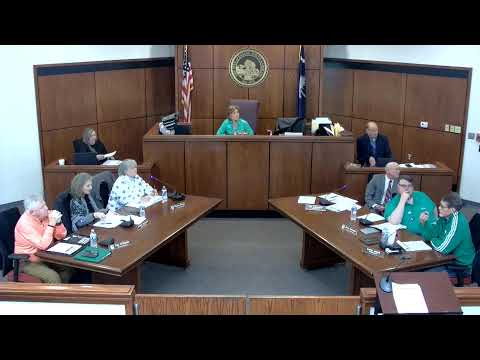
Councilman Alexander raised First Amendment concerns and moved to strike section 11, asserting the provision could "threaten officials' ability to communicate with their constituents." The motion to strike received a second and prompted extended discussion about whether section 11 functions as guidance to protect city systems or an impermissible restriction on speech.
Jordan, the city's IT director, described the section as guidance intended to clarify record retention and separate personal accounts from official city communications. City legal staff also said the provision could be framed as reasonable time, place and manner guidance for officials who identify themselves as elected representatives when using personal platforms.
After debate, the council voted in favor of the amendment to remove section 11. The main motion to adopt the acceptable‑use policy as amended was then brought forward and approved. Council members said the policy is intended to protect city equipment and taxpayers from liability while preserving officials' personal speech rights.
The record shows the council's action changes the city's guidance to elected officials; the transcript does not provide full post‑adoption implementation steps or any performance metrics for enforcement.