
Harney County warns of tightening budget, explores special districts and spending tradeoffs
Get AI-powered insights, summaries, and transcripts
Subscribe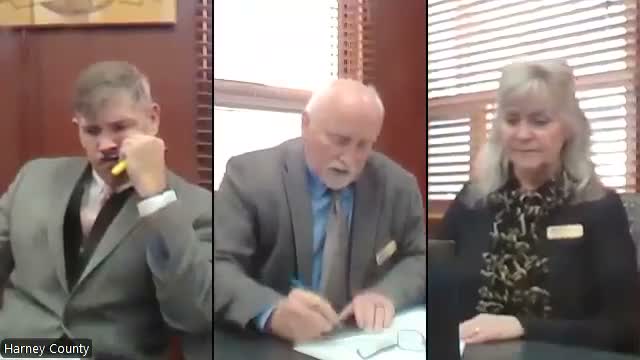
Summary
Facing declining state funding and limited property‑tax growth, Harney County officials say they must consider reserves, special districts and service prioritization as budgeted expenditures outpace revenues.
Harney County Court used its Dec. 17 session to sound an early alarm about the county’s fiscal outlook as state budget cuts and stagnant local revenue growth converge.
County staff presented preliminary budget figures showing budgeted expenditures exceed budgeted revenues and that growth in primary local funding (property tax revenue) is effectively capped (~3% annually under current law). Commissioners reviewed reserves — road operating, equipment and paving reserves and a general fund operating reserve — and noted the county’s beginning fund balances have declined in recent years because of flood response and other one‑time expenses.
Court members discussed structural responses: targeted expenditure reductions, reassigning services to special districts (library, fairgrounds, possibly 4‑H or extension) to distribute cost burdens across taxpayers in benefit areas, and careful use of reserves. The judge asked staff to produce a six‑year trend of beginning fund balances for all funds and recommended early work sessions to set priorities before the formal budget cycle.
Several commissioners also raised workforce concerns and recruitment challenges — mentioning that potential private investments such as a sawmill face constraints from both timber supply and workforce availability. They emphasized that mandated services (e.g., community corrections) and public safety must be weighed first when considering cuts and that any creation of special districts requires public process and attention to administrative capacity.
The court agreed to schedule budget‑priority work sessions in January and to examine whether some county programs should be transitioned to special districts to lessen pressure on the general fund. No formal budget decisions were made at the meeting; staff will return with the requested trend data and proposed agenda for the January work session.