
Commission adopts short‑term rental enforcement changes, sends proposed infrastructure coordination criterion to subcommittee
Get AI-powered insights, summaries, and transcripts
Subscribe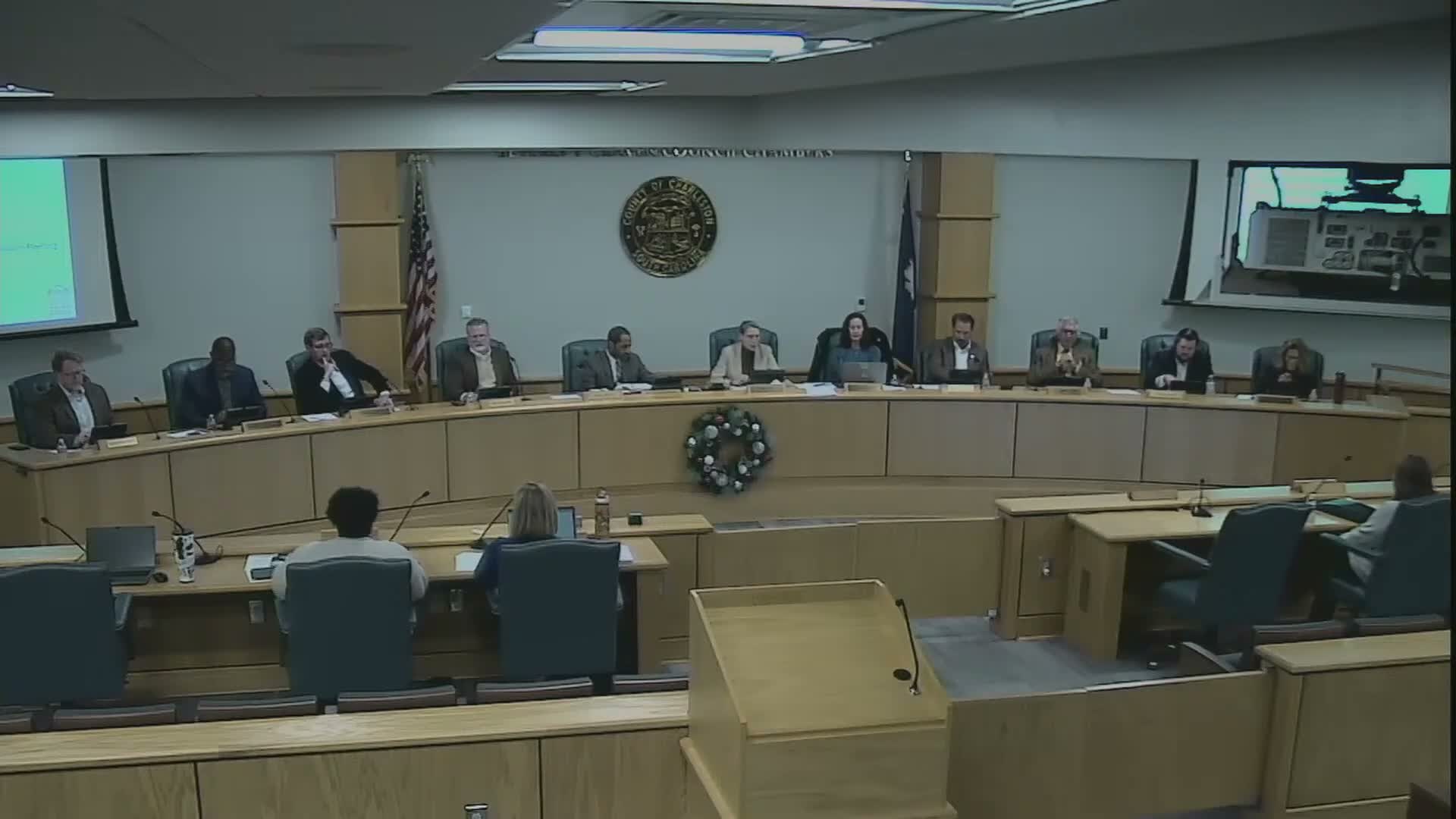
Summary
Commission approved short‑term rental enforcement changes and directed staff to send the proposed infrastructure coordination criterion (letters of coordination for upzoning) back to a chair‑appointed subcommittee after extended debate about feasibility, timing and burdens on applicants.
The Charleston County Planning Commission voted to approve amendments to the Zoning and Land Development Regulations Ordinance (ZLDR) strengthening enforcement for short‑term rental properties operating without a permit and then moved to refine the larger infrastructure coordination proposals.
Wynn Carlisle presented amendments that would require letters of coordination from agencies (transportation, stormwater, water/sewer, CARTA, CCSD and emergency services) for applications that request higher density or intensity than existing zoning allows. Staff proposed the planning director could waive certain letter requirements if an applicant demonstrated reasonable efforts to obtain them. The amendments also proposed adding an infrastructure approval criterion for comp plan and zoning map amendments that request higher density/intensity, requiring traffic impact studies for plan developments, and adding a letter‑of‑intent requirement for rezoning applications.
Members of the commission, staff and public debated how to operationalize letters of coordination: whether letters should be based on the "most intense use" allowed by the zoning district or allow applicants to provide a minimum and maximum scenario; how to demonstrate "reasonable effort" (emails/phone logs); whether the requirement would be redundant with project‑level requirements (site plan/subdivision review); and how agencies could meaningfully assess impacts without a concrete project. Michael Ramsey (Charleston Trident Association of Realtors) cautioned that statewide concurrency legislation may be in flux and urged caution to avoid conflicts with future state law.
After extended discussion, the commission voted 9–0 to approve the short‑term rental amendments and then voted 8–1 to send the proposed infrastructure coordination criteria back to a subcommittee appointed by the chair to work with staff on clearer language and implementation details.
The subcommittee will return recommendations to the commission; staff said letters of coordination would include stormwater, transportation and water/sewer and could specify reasonable time limits for letters and use templates to reduce uncertainty.
Next steps: short‑term rental amendments proceed to County Council (public hearing scheduled 01/13/2026 and planning & public works committee 01/22/2026); the infrastructure criterion will be revised by the subcommittee and returned to the commission for further action.