Get Full Government Meeting Transcripts, Videos, & Alerts Forever!
Get email alerts on the School Funding And Structure topic
No spam. Unsubscribe anytime.
Newberg SD 29J board weighs boundary changes and a possible local option levy as enrollment falls
Summary
Board presentations showed multi‑year enrollment declines and a district 'math problem' of multiple elementary schools with just two or fewer sections per grade; the boundary/structure committee is evaluating school-structure options and whether to pursue a five‑year local option levy for the May ballot.
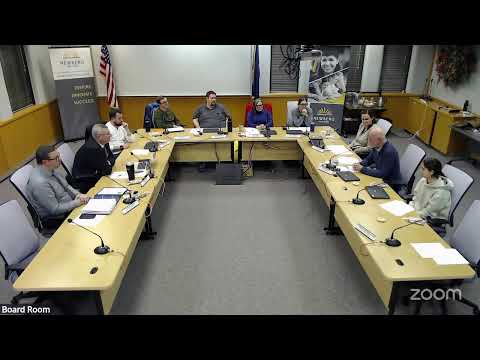
The Newberg SD 29J Board on Dec. 9 heard a detailed update from the district’s boundary (now "structure") committee and staff on enrollment declines and possible steps to stabilize class sizes.
Superintendent Dave and committee staff said kindergarten cohorts are about 240–250 students while graduating classes are around 300, and that the district has lost roughly 1,000 students over six to eight years. That decline has left four elementary schools operating with two or fewer sections per grade, creating a budget and staffing problem the district described as a "math problem." The committee presented several structural models under consideration, including K–4 / 5–6 / 7–8 and other grade‑configuration options, possible magnet programs and, as a last resort, school closures.
The presentation also reviewed revenue options. The district has worked with Piper Sandler for preliminary local option estimates and staff said a local option would be a five‑year measure placed on the May ballot if the board chooses that path. Timelines discussed include community engagement and polling beginning in January and a county submission deadline in March. "We need to come to grips with this issue," the presenter said, urging public outreach and noting the district’s policy goal of a 7% ending fund balance.
Board members asked about community engagement and polling, polling firms and timing. A board member noted that the boundary-model committee is more likely to favor schools than the broader community and asked how many community feedback opportunities the district will provide; staff responded that they will provide multiple outreach events, work with parent groups and produce a timeline for board review. The district said it will present a recommendation in late January or early February so the board can act before budget season.
The presentation included budget context: property tax receipts were stronger than expected and a recently approved "Pete Grant" (described later in the meeting) will show up in December financials, but staff cautioned that transportation encumbrances and staffing pressures are increasing costs. Staff said if no additional revenue is secured, the district risks higher class sizes or the expense of adding near‑term FTE to reduce classes that top 30 students.
Next steps the presenter identified are further committee work, a public engagement plan beginning in January and specific recommendations back to the board in the January–February meetings. The county ballot submission deadline was cited as mid‑March; staff said they will return with detailed timelines, polling results and cost scenarios.