Lifetime Citizen Portal Access — AI Briefings, Alerts & Unlimited Follows
Staff describe school wellness center where students can self‑select support and restorative circles
Loading...
Summary
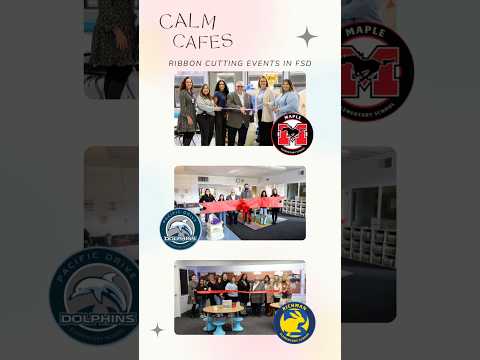
Staff described the Khan Cafe, a school wellness space where students can self-select to check in with counselors or an MHA, use sensory resources for a set time, and join restorative circles to practice coping skills taught through RethinkEd.
Staff members described a small, student‑driven wellness space called the Khan Cafe where pupils may "self select" to check in with counselors or an MHA and use calming resources before returning to class.
According to presenters, students who feel overwhelmed can request to use Room 11, sign themselves in, spend a set time using toys or other sensory resources, and then return to instruction. "When we're feeling too overwhelmed by whatever the demands are in the classroom," Speaker 2 said, "the student is able to ask, can I go use Room 11? Come in here, sign myself in, and then use the different toys for a set time and then return." Speaker 1 described staff involvement in the sign‑in process: "With the help of our counselors and our MHA, they're able to either check‑in, check out with them, or if they just need a moment to be here at 1 of our centers."
Presenters framed restorative circles and adult availability as central to the space. "There is our psych or myself available for restorative circle," Speaker 3 said, adding that this is "the most important component to me in, making sure that our students are not just given the strategies through RethinkEd, but also, like, how are we practicing those coping skills with 1 another." The speakers also noted the program's origin, saying "the inception of, AKA, Khan Cafe became racers spin stop," signaling an earlier or alternative name for the space.
The account in the presentation focuses on program operations and student supports rather than district policy or funding. No formal motions, votes, or cited statutes were discussed in the transcript. The presenters emphasized ongoing, in‑practice instruction of coping skills alongside counseling supports and a sign‑in procedure intended to allow students brief, structured time away from class.
The most recent procedural detail given was that students self‑identify their need, use the room for a set time, and then return to class; presenters did not specify staffing ratios, funding sources, exact hours, or the full meaning of the acronym "MHA."