Lifetime Citizen Portal Access — AI Briefings, Alerts & Unlimited Follows
Lawmakers, carriers debate port scanning contract and emergency readiness
Loading...
Summary
Legislators questioned port security, the performance and legal status of a contested scanning contract and terminal emergency preparedness. Witnesses said scanning produced few seizures in a decade, the governor announced contract cancellation in August, and litigation means fees and rules may persist until courts and the port authority resolve termination.
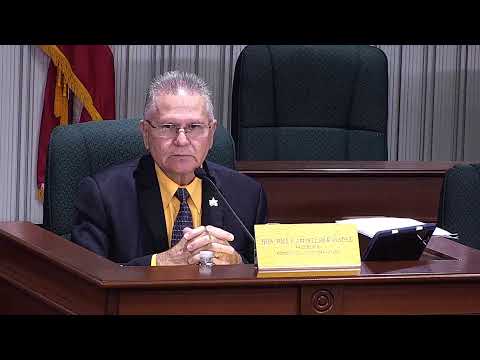
During the Dec. 9 public hearing convened by the House Commission on Federal Affairs and Veterans, representatives pressed carriers and terminal operators about the port scanning program, scanning fees, and terminal emergency readiness.
Crowley’s José Francisco Nazario said the scanning program had been in place for more than 10 years and, in his view, had not produced substantial intercepts of contraband despite the expense. He described the scanning fee recorded in Crowley documentation as $69 for scanning plus a $5 administrative charge, with a separate $26 port facility charge appearing in some documents; Nazario called the separate $26 line an accounting label unrelated to the scanning fee and asked the commission to review the submitted bills to reconcile the discrepancy.
María I. Caraballo of International Public Terminal described the governor’s August announcement to cancel the scanning contract and said the contract included a 90‑day termination clause. Both witnesses said litigation and unresolved regulatory questions mean the authority and courts are still working through final termination, and that terminals remain obligated to collect scanning fees while M18 regulation or the contractual arrangements remain in force.
Members also asked about emergency equipment and fire suppression. Witnesses said terminals maintain water‑suppression systems and have invested in pumps where municipal pressure is insufficient; IPT said it expects one retrofitted crane to be certified by December and that the company provides training and mitigation equipment for hazardous cargo. The commission flagged access constraints (for example, limited public access to Avenida C at Puerto Nuevo) that lawmakers said could impede emergency response and urged the port authority to examine permanent access improvements.
The panel recorded requests for documentation and legal correspondence related to the scanning contract cancellation and asked companies to clarify fee line items and regulatory status in their 10‑day submissions. The hearing did not produce a formal resolution on security policy; the committee recessed to review the submitted materials and to determine next steps.