Lifetime Citizen Portal Access — AI Briefings, Alerts & Unlimited Follows
House committee questions AAA on October supertubo failure, requests reports and cost accounting
Loading...
Summary
Legislators in Puerto Rico’s House Committee on the Metropolitan Region pressed the Aqueducts and Sewers Authority (AAA) on the Oct. 18–26 supertubo pipeline leak that left roughly 168,000–190,000 customers without water; AAA described a multi-factor cause, the repair timeline and mitigation steps and was asked to deliver forensic reports and detailed cost data within five days.
SAN JUAN — Legislators convened a public hearing under Resolución de la Cámara 102 to investigate an October failure on the island’s 72‑inch supertubo pipeline that left large parts of the metropolitan area without potable water. The Aqueducts and Sewers Authority (AAA) told the House committee it located the break within a day of municipal reports, mobilized emergency operations and completed repairs and phased recovery between Oct. 19 and Oct. 26.
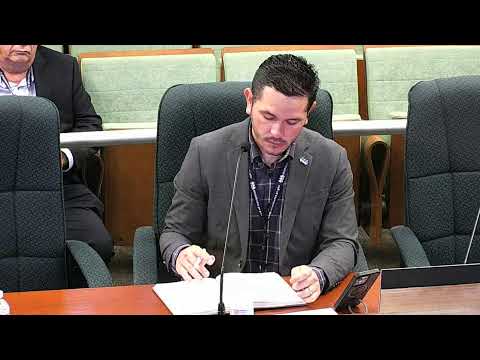
The AAA’s interim Metro region director and vice president of operations, Luis José Ortiz Salgado, delivered a timeline of the response and mitigation efforts. "Todo comienza el día 18 de octubre..." he said, recounting that crews confirmed the leak was potable by sampling for chlorine, activated contracted trucking companies and established fixed "oasis" distribution points. Ortiz Salgado said crews worked on welding and replacing an accessory curve and sealed the repaired area with anti‑corrosive coatings and concrete to isolate oxygen.
Why it matters: legislators pressed for written evidence and a financial accounting after the testimony raised several unresolved items — including peritaje (forensic) reports, exact invoices for contracted truck services and the role of intermittent electrical outages. The committee directed AAA to provide available documents and data within five days.
Key facts from AAA’s presentation: Ortiz Salgado said the authority initially identified 15 municipalities supplied by the supertubo as affected; when the system was sectorized the authority estimated about 168,000 customers impacted, later rising to roughly 190,000 when Arecibo, Hatillo and Florida were added. He reported that recovery began Oct. 24, that about 78.9% of clients had service by Oct. 25 and that by Oct. 26 roughly 99.2% of customers were restored. Ortiz Salgado said AAA activated 14 contracted hauling companies, employed 458 truck runs at fixed oasis points over seven days and sent about 100 mobile 2,000‑gallon truck deliveries during the same period; he cautioned those figures are operational estimates and that invoicing is still being finalized.
On cause and accountability: Ortiz Salgado told the committee the failure was multi‑causal — the accessory at a change‑of‑direction showed oxidation and perforation, the system’s age (he said it’s been in service more than 25 years) and pressure differentials all contributed, and welding/assembly issues factored into the break. When lawmakers asked whether Luma Energy’s electrical interruptions played a role, Ortiz Salgado said AAA is documenting multiple incidents and preparing claims where appropriate but did not present a finalized claim at the hearing.
Capital investments and monitoring: Ortiz Salgado described two larger infrastructure efforts intended to boost resilience: rehabilitation work on the Sergio Cueva filtration plant (described as in procurement) with an estimated rehabilitation cost he characterized as "over $150,000,000," and a separate multi‑stage modernization project he estimated at roughly $100,000,000. He also outlined a planned rollout of flow‑measurement sensors (medidores de flujo) across interconnections of the supertubo to permit near real‑time visibility of flows and faster anomaly detection; specific timelines and full cost details were not provided during the hearing.
Requests from legislators and next steps: multiple representatives asked AAA to deliver peritaje reports, a detailed breakdown of truck use (municipal vs. contracted), the contribution and equipment provided by the National Guard and a full accounting of emergency response costs. The committee set a five‑day window for those materials. AAA said it conducted "lessons learned" sessions and has presentations summarizing actions taken but acknowledged it did not have a single consolidated written peritaje report to file at the hearing.
What remains unresolved: the committee did not receive a finalized forensic (peritaje) report during the session; the precise final cost of hauling, overtime and municipal contributions remains under compilation; and any formal claims against utilities such as Luma Energy were described as in preparation but not resolved in the hearing. The committee closed the public hearing after the authority confirmed it would provide requested documentation to the commission.