Leawood council adopts Hallbrook North redevelopment plan, approves TIF and CID incentives
Loading...
Summary
The Leawood City Council unanimously approved a redevelopment plan and incentives for the Hallbrook North project, authorizing a 20‑year tax increment financing district, a 22‑year 1.5% Community Improvement District and a resolution indicating intent to issue industrial revenue bonds for sales tax exemptions on construction materials. The council recorded the consultant feasibility findings and committed to using a 5% share of captured TIF revenue for park improvements.
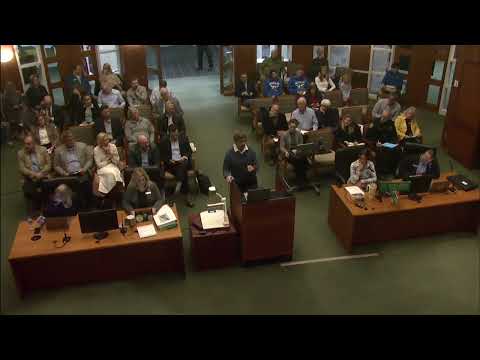
The Leawood City Council on Dec. 15 unanimously adopted a redevelopment project plan for the Hallbrook North site and approved a package of public incentives the developer requested, including a 20‑year tax increment financing (TIF) district and a 22‑year Community Improvement District (CID) carrying a 1.5% added sales tax on district sales.
City bond counsel Kevin Wimpey and financial advisor David Arterberry presented the development agreement and an updated feasibility analysis prepared for the city. Arterberry summarized the revenue projections the city relied on: roughly $108.7 million in captured incremental property tax over 20 years, about $9.9 million from the proposed CID, and about $18.8 million from redirected transient guest taxes, with combined incentives and sales‑tax exemptions estimated in the low hundreds of millions over the statutory terms. Wimpey told the council the agreement is “pay‑as‑you‑go,” meaning the developer advances most costs and the city reimburses only as revenues are realized.
During public comment and the formal hearing, resident Lacey Bowen argued the city inappropriately drew the TIF boundary to include Leawood City Park in order to count floodplain acreage and justify blight and financial necessity under KSA 12‑1770; she asked whether the district would qualify if the park were excluded and whether downstream flooding would increase. Wimpey and staff responded that park improvements identified in the plan are eligible TIF uses and that the district boundaries are intended to allow the planned park enhancements to be implemented; staff also noted a 5% portion of captured TIF increment would be available to the city for park improvements.
Council members raised questions about the timing of revenue capture and assumptions in the developer’s valuation. Arterberry said updated developer numbers shifted start dates so collections align more closely with when projects come online, and he acknowledged that some per‑square‑foot valuations were at the high end of normal ranges but were reasonable given the anticipated improvements. Council members also discussed the split of captured TIF revenue (95% to developer reimbursement; about 5% retained by the city), the CID rate change to 1.5% from earlier materials, and the developer’s contractual deadlines for initial components, including completing the headquarters and park improvements by 2030 and a hotel by 2031.
After the presentations and public hearing, Council Member Sippel moved to adopt the ordinance authorizing the redevelopment plan; the roll call vote was 8‑0 and the ordinance passed (the statute required a two‑thirds vote). Council then approved the ordinance creating the CID (roll call 8‑0) and adopted a resolution indicating the city’s intent to issue industrial revenue bonds to permit sales‑tax exemption on construction materials for components of the project by unanimous voice vote.
The city asked that public comments submitted earlier (including Bowen’s concerns) be entered into the record, and staff committed to using standard statutory notice procedures as the TIF and CID move through required public hearings and filings. The development team — including VanTrust Real Estate and prospective tenant Lockton — thanked the council for its collaboration. The development agreement as adopted contains an overall cap on incentives, a maximum public share of 20% of project costs, and conditions precedent that tie reimbursements to completed project components and to delivery of required leases for major tenants.