Get Full Government Meeting Transcripts, Videos, & Alerts Forever!
Get email alerts on the Board Vacancy topic
No spam. Unsubscribe anytime.
Board rescinds Nov. 20 appointment and names Carrie Opitz amid pending court order
Summary
After extended public comment alleging Open Public Meetings Act problems and a court order restraining implementation of the Nov. 20 appointment, the Lacey Township Board of Education rescinded that prior action and voted to appoint Carrie Opitz; one member recused and the court’s temporary restraints remain in place.
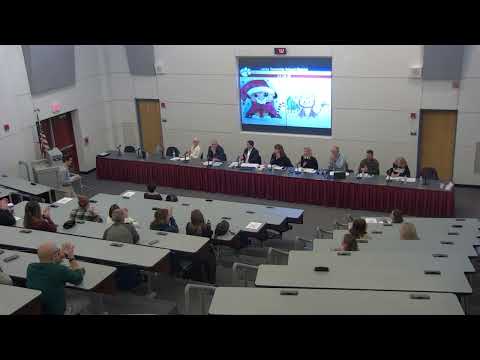
The Lacey Township Board of Education on Dec. 9 voted to rescind its Nov. 20 appointment to fill a board vacancy and then appointed Carrie Opitz to the seat, even as a Superior Court order issued Dec. 9 restrains recognition or swearing‑in arising from the earlier appointment.
Regina DeCenza, who identified herself as a former vacancy applicant and co‑plaintiff in docket OCN L003415-25, told the board in an early statement that "the board's November 20 process violates the Open Public Meetings Act" and said she had not been notified that her name would appear on the agenda. Gavin Razi and Richard Bidnick, among others, urged the board to pause and defer action while the court reviews the record.
Board members opened the vacancy item by moving to rescind the prior November decision and then solicited nominations. Carrie Opitz was the only nominee. The roll call on the appointment recorded Mrs. Armato as recused; the remaining voting members voted in favor. Board members also read aloud the court order; one speaker noted the order "restrain[ed] administering the oath of office to Carrie Opitz" and barred recognizing her as a duly qualified member pending judicial review.
Supporters of the appointment emphasized Opitz's local involvement. One board member said she had "three children in the district," had experience as a PTA treasurer and "answered the questions the best" during interviews. Opponents and multiple public commenters argued the board's attempt to "retroactively" declare compliance with OPMA while litigation is pending risks further judicial scrutiny and wastes taxpayer resources.
The board recorded formal roll calls for both the motion to rescind and the appointment. Meeting minutes show the board took the position that, given the specific language of the court's order, the items on the agenda were not themselves violative; members nonetheless heard public calls to abstain or delay action. The board did not administer an oath during the meeting and noted that the restraining order remains in effect while the court reviews the challenge.
Next steps: the court is scheduled to consider the matter on the return date for the order to show cause; the board's appointment is recorded in the minutes but the court order limits immediate recognition of the appointee.