Get Full Government Meeting Transcripts, Videos, & Alerts Forever!
Get email alerts on the Humanitarian Funding topic
No spam. Unsubscribe anytime.
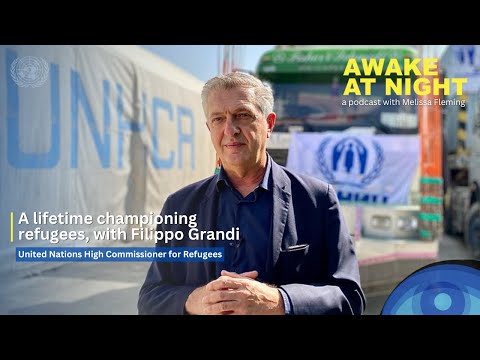
Grandi warns of donor cuts and polarizing rhetoric as threats to refugee protection
Summary
Filippo Grandi told the UN podcast that sudden donor funding drops forced UNHCR to cut programs and staff, and he warned that rising anti‑refugee rhetoric is fueling dangerous politics despite strong civil‑society solidarity in many places.
Filippo Grandi said two developments keep him "awake at night": the growing use of dehumanizing rhetoric about refugees and sharp, sudden cuts in donor funding that have already reduced UNHCR's capacity.
Grandi told Melissa Fleming that negative political messaging about refugees has intensified since the 2015 influx and is often rooted in racism. "They are immoral," he said of those arguments, and he warned such narratives "can also be very dangerous for the security of entire communities."
On finance, he described the past year as "the worst ever year financially" for UNHCR, with contributions from the United States and many European donors falling suddenly. He said the organization was "obliged to reduce by one third the volume of our work" and that more than half of refugees who previously received cash support may have lost that allowance.
Grandi also emphasized civil‑society responses and pointed to examples of constructive policy, including Colombia's decision under then‑President Iván Duque to grant long‑term temporary protection and work access to over 2 million Venezuelans, a move Grandi described as both principled and in the host country's self‑interest.
He warned that weakening multilateral institutions and paralyzing international bodies would make it harder to address challenges such as climate, pandemics and conflict, and urged politicians to listen to evidence of solidarity and contributions from newcomers.
The interview presented Grandi's assessments and did not include statements from donors or governments responding to these characterizations.