Get Full Government Meeting Transcripts, Videos, & Alerts Forever!
Get email alerts on the Homelessness topic
No spam. Unsubscribe anytime.
Roanoke task force outlines homelessness outreach, aims to deliver recommendations by spring 2026
Summary
City staff and the Mayor's Hope and Home Task Force reported expanded outreach and short-term assistance: HAT intakes, ID assistance and ARPA-funded security deposit help were cited; the task force is working with Virginia Tech and plans a draft of recommendations in spring 2026.
Roanoke's Hope and Home Task Force presented an update Monday outlining outreach results and a fast-tracked plan to produce policy recommendations by spring 2026.
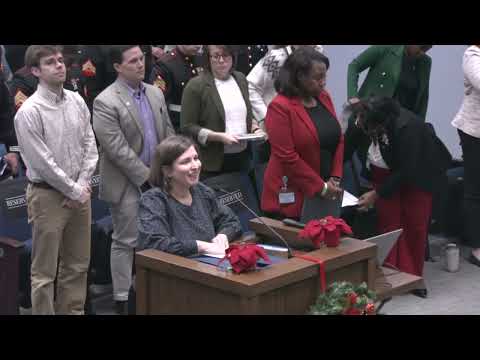
Deputy City Manager Angie O'Brien introduced community engagement manager Adam Fajardo, who said the update is intended to show where the city is focusing short-term support while building longer-term housing strategies. "We're thinking about ways of preparing communications to the general public to sort of update people on where we're at," Fajardo said before showing a short video summarizing the team's work.
The presentation (a narrated video shared with council) reported that the Homeless Assistance Team (HAT) has completed client intakes this year, helped roughly 200 people obtain birth certificates or federal IDs to secure employment and housing, and used about $68,000 in federal ARPA funds to help 52 households with security deposits. The presentation said HAT has helped about 210 individuals move into permanent housing to date this year.
O'Brien described the task force as a volunteer group of residents, business owners and nonprofit leaders working with researchers at Virginia Tech to identify locally appropriate solutions. She said the team has met three times, is compiling data about existing services and is focused on a range of housing options including permanent supportive housing and tiered or transitional placements for people who have been chronically homeless.
Council members pressed staff on barriers they've heard from people seeking housing. Council discussion highlighted landlord screening practices requiring applicants to earn three times the rent, and whether enforcement or education could limit those barriers. Director of Real Estate Evaluation explained the city's vacant/derelict property pilot and a January 1 rollout that will notify property owners of higher assessments, allow a 30-day appeal and create a 90-day repair plan pathway tied to code enforcement.
The task force emphasized engaging people with lived experience in its process. Staff said some short-term transportation collaborations among downtown partners and local service providers have been funded, and that a draft of recommended actions will be prepared for council consideration in spring 2026.
The council did not adopt policy at the meeting but asked staff to return with additional details about landlord practices, the land bank assessment cap change under consideration for the legislative agenda, and performance data on the blight pilot once it begins.