Students urge caution on state 'bell‑to‑bell' phone ban, propose phased and equity‑focused approach
Loading...
Summary
NHS Student Union told the school committee a statewide bell‑to‑bell cell‑phone ban could cost hundreds of thousands of dollars, raise FERPA and equity issues for 18‑year‑old students, and should be phased with district funding for staff and accommodations.
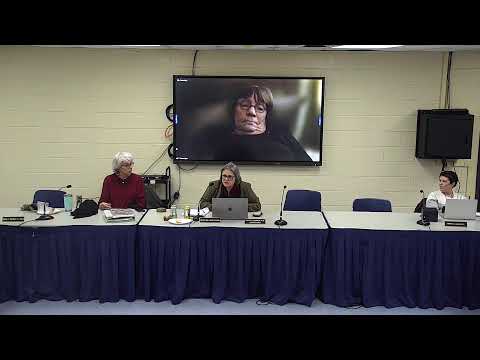
Representatives of the NHS Student Union told the Northampton School Committee on Dec. 11 that a proposed Massachusetts 'bell‑to‑bell' ban on personal electronic devices requires careful planning and district funding to avoid unintended harms.
"The successful implementation of a cell phone ban will cost hundreds of thousands of dollars," the Student Union statement said, citing district estimates between $200,000 and $500,000 and projected needs for additional staffing to administer a ban. The students asked the committee not to implement a rushed second‑semester timeline and urged a multi‑year phased approach to device transition.
The students raised legal and equity concerns: they argued that forcing students with 504 plans to access medical devices through Velcro pouches could violate privacy under the Family Educational Rights and Privacy Act (FERPA) and that enforcement mechanisms that require parents to pick up phones may unfairly burden caregivers who cannot leave work.
They also warned that lockable pouch strategies (Yonder pouches) could be vandalized or circumvented with burner phones, and that a rapid district shift to school‑issued Chromebooks would require a costly, multi‑year device replacement plan.
Member Gacy, chair of the ad hoc cell‑phone committee, told students the ad hoc work is ongoing and reiterated that implementation is expected in the 2026–27 school year, not immediately. Committee members encouraged students to share their written statement with state lawmakers and said the ad hoc committee will review the students' survey results and presentation.
The committee did not take a formal vote on policy at the meeting; members said they planned further work with the ad hoc committee and administration to assess costs, accommodations and a pilot timeline.