Get Full Government Meeting Transcripts, Videos, & Alerts Forever!
Get email alerts on the Overdose Response topic
No spam. Unsubscribe anytime.
Health officials say fentanyl is driving a spike in Northern New Mexico overdoses; state expands testing and naloxone access
Summary
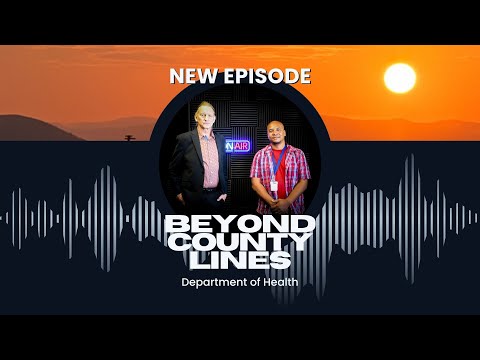
New Mexico Department of Health staff told the Beyond County Lines podcast that recent overdose spikes in Taos, Rio Arriba and Santa Fe County are linked to higher fentanyl concentrations and adulterants. Officials described pilot adulterant‑checking sites, mailed naloxone through nmharmreduction.org and the Pathways model to expand immediate MOUD access.
David Daniels, harm reduction section manager for the New Mexico Department of Health, told the Beyond County Lines podcast that Taos, Rio Arriba and Santa Fe County are seeing a spike in overdoses tied to higher concentrations of fentanyl in street drugs. "We started seeing fentanyl... which means it was greater than 5%," Daniels said, describing a rise in readings from the program's checking machines.
The increase prompted state harm‑reduction staff and partners to emphasize testing, naloxone distribution and low‑barrier access to medications for opioid use disorder (MOUD). Philip Feudy, who said he is employed by Vital Strategies and embedded with the Department of Health, described four pilot sites providing adulterant testing and related services in Española (the Mountain Center), Albuquerque, Roswell and Las Cruces.
Why it matters: Officials said higher fentanyl concentrations and additives can make an otherwise familiar dose lethal. Daniels and Feudy warned that some batches include sedative additives (the speakers used the term "metatomidine") or xylazine, which can prolong effects and complicate overdoses, increasing risk for people who expect a short opioid high.
Testing and detection: Feudy explained that the mass‑spectrometry equipment used at pilot sites produces spectral readings and that the machines report substances that make up a noticeable share of a sample. Staff on the episode noted devices began visibly registering fentanyl this year during routine checks; the speakers described readings as "greater than 5%" when fentanyl became clearly present on the spectra. The guests also said they use test strips and send samples to labs for confirmation.
State response and resources: Daniels described an adulterant‑checking program (referred to in the conversation as "ACP" or a checking program) that allows people to bring a sample to public health offices for screening and to ask questions about the contents. He said naloxone (Narcan) can be requested and mailed to residents via nmharmreduction.org and that instructional materials and videos are available in English and Spanish on that site. "You can go on our website and get it sent directly to your house," Daniels said.
Treatment and engagement: Both guests rejected the framing that medication‑assisted treatment (MAT/MOUD) is merely "swapping one drug for another." Daniels described MOUD drugs including buprenorphine (Suboxone) and methadone as FDA‑approved, regulated medications paired with counseling and supports. Feudy emphasized harm reduction as an engagement strategy: supplies such as naloxone and food are tools to build trust and connect people to broader services such as MOUD, housing support and case navigation.
Advice for families: In response to a host anecdote about encountering a relative on the street, Daniels advised approaching loved ones without judgment and watching for brief moments when a person is "ready" to accept help, saying those windows can be short. He cautioned that forcing treatment before someone is ready is often ineffective.
Public messaging and controversy: The guests addressed common critiques, noting some high‑profile decriminalization pilots elsewhere were underfunded and that critics later used short trial periods to argue harm reduction "didn't work." They urged attention to funding and to comprehensive services rather than short experiments.
What services are expanding: Feudy described New Mexico's Pathways model, which aims to offer MOUD at public health offices so people can be seen and started quickly, and listed integrated services available through the state's harm‑reduction network, including hepatitis C and HIV care and rapid syphilis testing.
Next steps: The hosts said the podcast will continue to follow county officials, treatment providers and people with lived experience to trace prevention and treatment efforts. For immediate resources, the guests pointed listeners to nmharmreduction.org for naloxone requests, testing information and guidance on responding to overdoses.
Ending: The episode closed with thanks to the guests and a reminder the series will continue covering prevention, treatment and stories from people with lived experience.