Lifetime Citizen Portal Access — AI Briefings, Alerts & Unlimited Follows
Hearing calls for updated rules for autonomous vessels and spotlights hybrid ferries; speaker criticizes Coast Guard policy change
Loading...
Summary
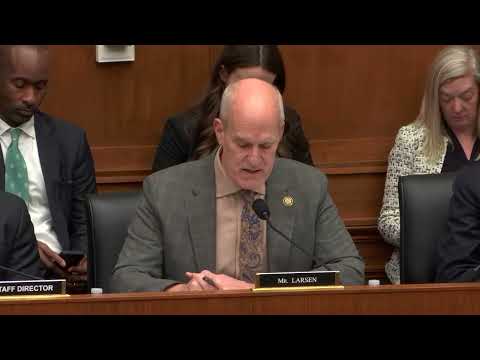
At a hearing, an unidentified speaker urged updates to Coast Guard regulations for autonomous vessels to protect safety and jobs, highlighted Washington state's work on hybrid electric ferries to cut emissions, and said they were disappointed by a recent Coast Guard anti‑harassment policy change and will question witnesses about it.
At a hearing, an unidentified speaker urged the Coast Guard to update regulations governing autonomous vessels, saying rapid technological advances and examples like the 2021 Mayflower autonomous research vessel show the need for new rules.
The speaker said automation "is gonna play an increasingly important role in both commercial maritime and in coast guard operations," and argued that new tools — from Coast Guard UAVs to uncrewed vessels and engine automation — should "supplement and not supplant the work of service members." The speaker stressed that while UAVs can extend search-and-rescue reach, "no technology can replace cutters in the water or helicopters in the air."
The speaker pointed to the international nature of commercial shipping — where ownership, registration and crewing often cross borders — and warned that the sector is governed by a complex framework of regulations and oversight that has not kept pace with autonomous‑vessel technology. "In 2021, the Mayflower autonomous ship, a full size research vessel, crossed the Atlantic without humans on board to demonstrate the progress and rapid development of autonomous vessel technology," the speaker said, noting that the Coast Guard at the time classified the vessel "as a pleasure craft because it lacked an appropriate regulatory framework."
The speaker urged coordinated rule‑making across Congress, the Coast Guard, labor, industry and the International Maritime Organization to develop effective regulations for autonomous vessels. They also raised workforce concerns, saying automation's impact on maritime jobs must be considered and emphasizing the role of captains, engineers and longshore workers when incidents occur.
On environmental opportunities, the speaker highlighted efforts in Washington state to adopt low‑ and zero‑emission technologies for vessels, saying, "we're in the process of building a fleet of hybrid electric ferries" and that the state ferry system is the largest in the U.S. and a significant source of greenhouse gas emissions among Washington state agencies.
The speaker framed new technology as a trade‑off: "At their best, new technologies increase safety and efficiency, reduce emissions, and create better opportunities for workers. At their worst, new technologies introduce security vulnerabilities, decrease safety, increase the risk of accidents, and displace workers." They said they looked forward to witness testimony on "how we can ensure a smooth and safe transition to new maritime technologies."
Separately, the speaker criticized a recent Coast Guard anti‑harassment policy decision, saying they were "very disappointed in how the Coast Guard itself has chosen to move forward with their new anti harassment policy that downgrades hateful and divisive symbols in the workplace," and said they would reserve questions to address that decision with the commandant during the hearing.
The speaker closed by thanking the chair and ranking member and yielding the floor.