Lifetime Citizen Portal Access — AI Briefings, Alerts & Unlimited Follows
Appeals court considers enforceability of open-ended extension clause in land sale dispute
Loading...
Summary
The parties disputed whether a signed terms-of-agreement satisfied the statute of frauds and whether the clause "you will grant me any extensions that I request" creates an unenforceable, open-ended option; counsel urged remand or affirmation.
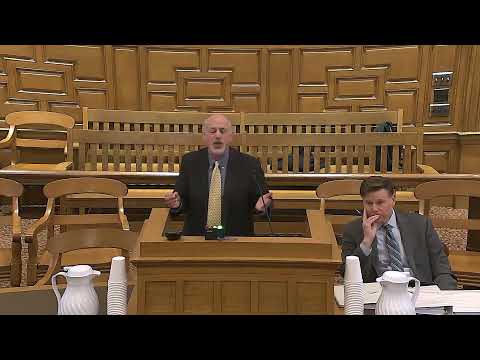
BOSTON — In O'Brien v. Nabadowski, argued Jan. 14, 2026, the appeals court heard whether a signed terms-of-agreement (TOA) for a multi-parcel farm sale satisfied the statute of frauds and how to interpret a clause allowing extensions.
Appellant counsel Don Bornstein summarized the transaction: a $1.2 million purchase price allocated as $400,000 per two parcels to one side and $400,000 for the remaining lot after wetlands cleanup, a six-month conservation delineation and a six-month planning-board process. Bornstein read a clause in the TOA stating, "you will grant me any extensions that I request," and urged the court that the writing either should be enforced and interpreted reasonably or that the case be remanded for further proceedings rather than dismissed on statute-of-frauds grounds.
Responding, appellee counsel Jeffrey Loeb argued the TOA lacks essential terms and is open-ended: he said the clause permitting "any extensions" would permit indefinite postponement and thus convert the agreement into an unenforceable option. Loeb relied on McCarthy-related precedent and Simon to argue that the memorandum must express material terms with sufficient certainty and that courts should not admit parol evidence to fill gaps that the four corners do not supply.
The justices questioned whether the sale price and property description were sufficiently definite, whether the drafting party's unambiguous language favors the drafter, and whether inserting the word "reasonable" would change the statute-of-frauds analysis. Counsel differed on whether remand for factfinding was the appropriate remedy if the agreement failed to satisfy the statute of frauds.
The court submitted the matter for decision at the close of argument.