Lifetime Citizen Portal Access — AI Briefings, Alerts & Unlimited Follows
Correa appeal challenges police narration of video and database licensure evidence
Loading...
Summary
Defense urged the court to find police narration of a surveillance video and certain expert testimony inadmissible and attacked the reliability of Soundex database testimony used to show lack of firearms licensure; prosecution argued the stills and video required orientation and that corroborating evidence supported the convictions.
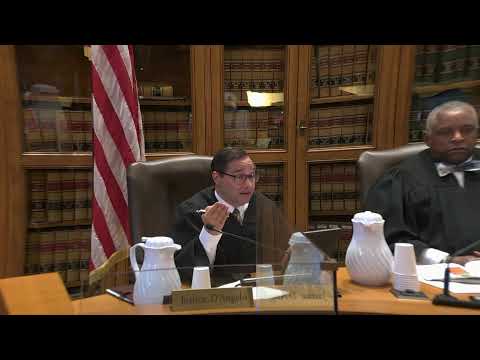
At oral argument in Commonwealth v. Correa, defense counsel told the panel the police officer improperly narrated unwitnessed conduct in trial exhibits and offered lay and purportedly expert testimony that invaded the jury’s province. "The video speaks for itself," counsel argued, describing the officer’s repeated commentary about a "white object" going over a fence and objecting that the officer was not in a position to provide percipient testimony about the throw.
Counsel also attacked testimony about a Soundex-based firearms-licensing search, saying the witness never established what letters or date-of-birth were entered and was not qualified to explain how the database matched records. "We have no idea what went in there," defense counsel said, noting the jury could not fairly infer the exact query from the witness's testimony.
The Commonwealth responded that police stills and a slow-motion clip were introduced to orient the jury to what to look for and that other physical evidence—drugs, packaging, scales, and a fingerprint on a zip-lock bag—corroborated the link between the defendant and contraband recovered near the residence. Prosecutors also argued the Soundex testimony included the defendant's correct date of birth and that the totality of evidence sufficed to support the convictions.
The panel pressed both sides on prejudicial-versus-probative balancing, the permissible scope of expert/hypothetical questioning, and whether any preserved objections would require reversal. The matter was submitted.