
District finance advisor outlines $60M–$100M bond scenarios, urges May/June decision to call November election
Get AI-powered insights, summaries, and transcripts
Subscribe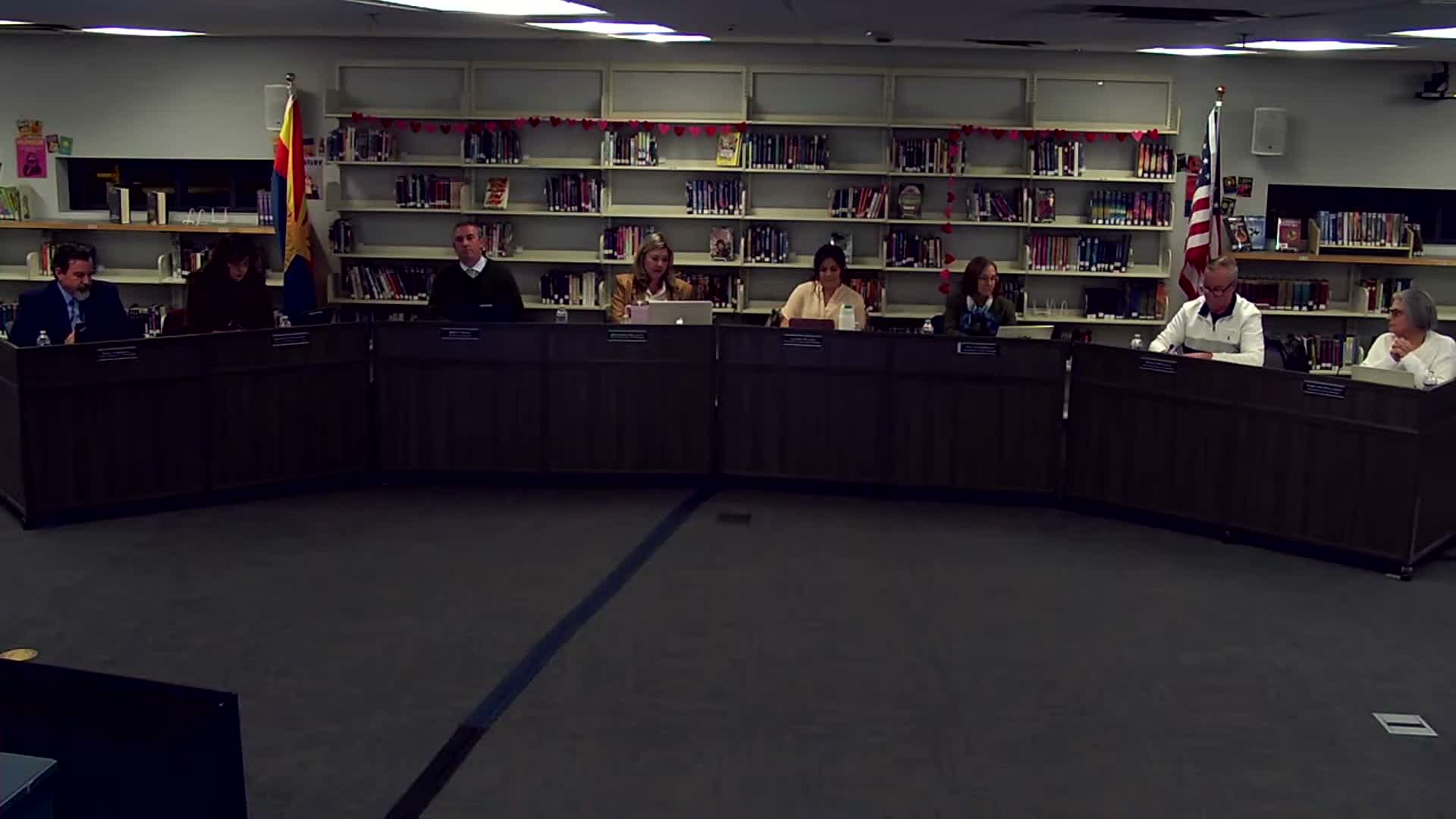
Summary
A Stiefel financial adviser told the Humboldt Unified board that the district could seek $60 million to $100 million in bonds without raising taxpayers' current bond rate, outlined estimated tax impacts, and urged the board to finalize a project list by May or June to qualify for a November ballot.
Mike LaValle, a municipal-finance adviser with Stiefel, told the Humboldt Unified School District governing board that the district could pursue a $60 million, $75 million or $100 million bond election and still maintain roughly the current bond tax rate in the near term.
LaValle said the district’s bonding capacity is roughly $240 million and walked the board through two measures of assessed value — a net full cash value and a net limited assessed value — that drive tax-rate calculations. He said a November 2026 bond election could be structured so the first sale occurs in 2027 and new debt payments would begin in fiscal 2027–28, allowing the district to “layer in a new election without a tax increase over the previous years.”
Why it matters: The district’s outstanding bond debt drops to zero after the final payment due July 1, 2026, creating an opportunity to replace expiring debt with new capital financing while keeping the bond portion of the tax rate near current levels.
Details and figures: LaValle presented three modeled scenarios. His estimates show the average annual tax impact of new debt over 20 years would be about $0.39 per $100 of tax value for a $60 million package, $0.46 for $75 million, and about $0.56 for $100 million; on an average tax-value home he cited (about $206,000), that equates to roughly $80, $95 and $114 per year respectively over the life of the bonds. He cautioned that final numbers will depend on February valuation estimates and market interest rates when bonds are sold.
Timeline and next steps: LaValle recommended the board and staff finalize a project needs list, obtain more precise cost estimates from architects and contractors, and consider calling for the election no later than the board’s May or June meeting to allow time for a voter pamphlet and a November election timetable.
Board response: Board members asked for a clearer timeline and noted competing local ballot measures. Superintendent Dahl and staff said they expect a project-needs presentation soon and that the board will make the formal decision whether to call an election after reviewing that list and updated valuation estimates.
Provenance: Presentation and Q&A with Mike LaValle (Stiefel) at the board meeting (transcript segments beginning SEG 1694 through SEG 2560).
Ending: The board took no binding action to call an election at this meeting; staff said they will return with a detailed project list and cost estimates for the board to consider in the months before a May/June call.