Get Full Government Meeting Transcripts, Videos, & Alerts Forever!
Get email alerts on the Human Rights Testimony topic
No spam. Unsubscribe anytime.
Exiled Iranians tell Security Council of mass killings, torture and internet blackout; Iran rejects testimony
Summary
Two civil society briefers told the Security Council they had been targeted by Iran and described alleged mass killings, torture and a deliberate internet blackout; Iran's envoy rejected their credibility and warned against foreign interference.
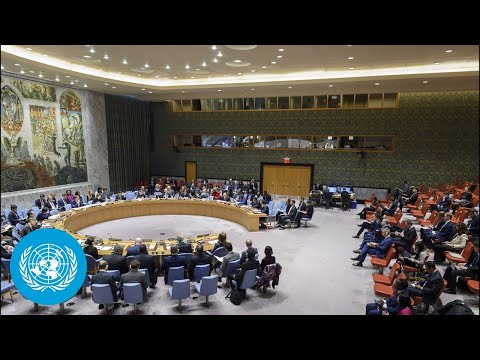
Two civil society witnesses addressed the United Nations Security Council and made direct, contested accusations about the Iranian authorities' response to nationwide protests.
Masih Alinejad told the Council she came "to bring their voices" and said protests that began on Dec. 28, 2025, had turned into a nationwide uprising. She alleged a "brutal slaughter" of protesters, described an internet and communications blackout imposed on Jan. 8, 2026, and cited media reports claiming large numbers of deaths (for example, she referenced an Iran International figure of "more than 12,000" and a CBS report saying "more than 20,000"). The assistant secretary‑general who briefed the Council said the United Nations was unable to verify casualty figures.
Alinejad named several victims and accused the Islamic Revolutionary Guard Corps of lethal force against demonstrators. She urged the Council to take "real and concrete action," saying the United Nations' limited public responses would not stop the killings.
Ahmed Batibi recounted his own imprisonment, alleged torture including mock executions, and said he had survived multiple assassination attempts. He described coerced confessions broadcast on state television, said bodies had been buried without proper identification, and urged stronger international measures. Batibi also appealed directly to the U.S. president and other world leaders for assistance beyond condemnations.
Iran’s representative rejected the briefers’ credibility, accused them of representing foreign political agendas, and said some protests had been hijacked by armed groups. Iran defended temporary communications measures as necessary to counter foreign operations and warned that any external military action would be met with a lawful response under Article 51.
The testimonies were sharply contested in the chamber: several delegations expressed solidarity with protesters and called for investigations and restored communications, while others rejected external interference. The session ended with no consensus on next steps.