Lifetime Citizen Portal Access — AI Briefings, Alerts & Unlimited Follows
Security Council debate on Iran splits members as US urges action and Russia warns against interference
Loading...
Summary
At a UN Security Council meeting, U.S. and several Western members urged accountability for Iran's crackdown on protests while Russia, China and Iran accused external actors of interference; civil society witnesses gave contested testimony and no Council vote was taken.
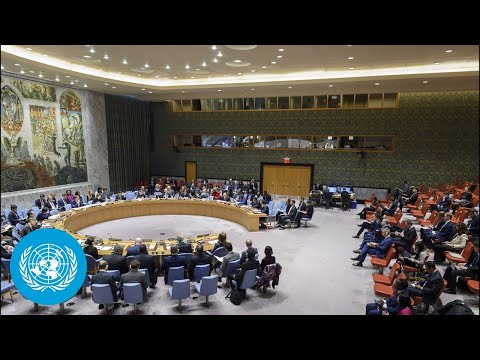
The United Nations Security Council met to consider a wave of protests and the reported crackdown in the Islamic Republic of Iran, hearing briefings from the UN secretariat and two civil society witnesses before a session marked by sharp divisions among member states.
Assistant Secretary‑General Martha Ama Aboa‑Pobee briefed the Council on the situation that began in late December 2025, saying demonstrations had spread nationwide and that authorities imposed a near‑total communications blackout on Jan. 8, 2026. She cited reports of widespread arrests and urged independent, transparent investigations into reported deaths, protections for detainees and restoration of access to information. She also warned that the situation risked regional escalation and should be addressed through diplomacy.
The United States representative condemned the reported violence and repression and placed responsibility on Iran’s authorities. The U.S. statement said the country "stands by the brave people of Iran. Period." and warned that "all options are on the table" to stop the slaughter. The U.S. delegate also highlighted the blackout’s effect on visibility into alleged abuses and credited satellite services such as Starlink for providing limited information.
Many Western and regional members echoed calls for restraint, accountability and restoration of communications. Greece, Panama and Denmark urged respect for fundamental rights and noted concerns about credible reporting given communication restrictions; Panama cited independently reported figures that "to date, the number of fatalities could stand at 2,000 or more." Several delegations called for rapid Human Rights Council consideration and mechanisms to investigate alleged violations.
By contrast, the Russian and Chinese representatives sharply criticized the meeting’s premise and the choice of briefers. Russia called the session "a circus," accused the United States of using the Council to justify aggression, and warned against interference in Iran’s internal affairs. China emphasized sovereignty and non‑interference and urged that disputes be settled in accordance with the UN Charter.
The representative of Iran rejected the briefers’ credibility, accused outside states of fomenting unrest, defended the authorities’ measures as necessary to protect public order, and warned that any external military action would be met with a "decisive, proportionate, and lawful response under Article 51 of the Charter." Iran also contested casualty figures and accused some speakers of presenting a politicized narrative.
No resolution or vote was taken during the session. Council members left sharply divided over whether and how to respond: some urged prompt investigative and accountability measures and restoration of communications, while others prioritized non‑interference and defended Iran’s sovereignty. The meeting was adjourned with no agreed next step recorded in the Council’s public remarks.